Song Meaning
The lyrics present a stark, almost minimalist scene, immediately establishing a feeling of detachment. The dominant emotional tone is one of questioning and perhaps a subtle anxiety, as the narrator grapples with an object that seems mundane yet carries an unspoken weight. The repeated phrase, "It's just a clock, right?" acts as a verbal tic, a desperate attempt to rationalize or dismiss a growing unease about the significance of this timepiece.
The central tension arises from the narrator's insistence on the object's simplicity versus the implied emotional or psychological burden it represents. The question isn't truly about the clock's function but about what it might signify or trigger in the narrator's mind. This internal conflict suggests a struggle to maintain control or perspective when faced with something that feels more profound than it appears.
The most striking aspect of the writing is the power of repetition and the implied subtext. The simple question, repeated, transforms from a statement of fact into a plea for reassurance. The instrumental breaks, indicated by "[Instrumental]", further amplify this, creating pauses where the unspoken anxieties can fester and grow, leaving the listener to ponder the unsaid.
Ultimately, the effectiveness of these lyrics lies in their ambiguity and restraint. By focusing on a single, repeated question and the absence of explicit narrative, the writing invites the listener to project their own feelings of doubt or apprehension onto the scene. It’s a masterful exercise in suggestion, making the mundane feel loaded with potential meaning and emotional resonance.
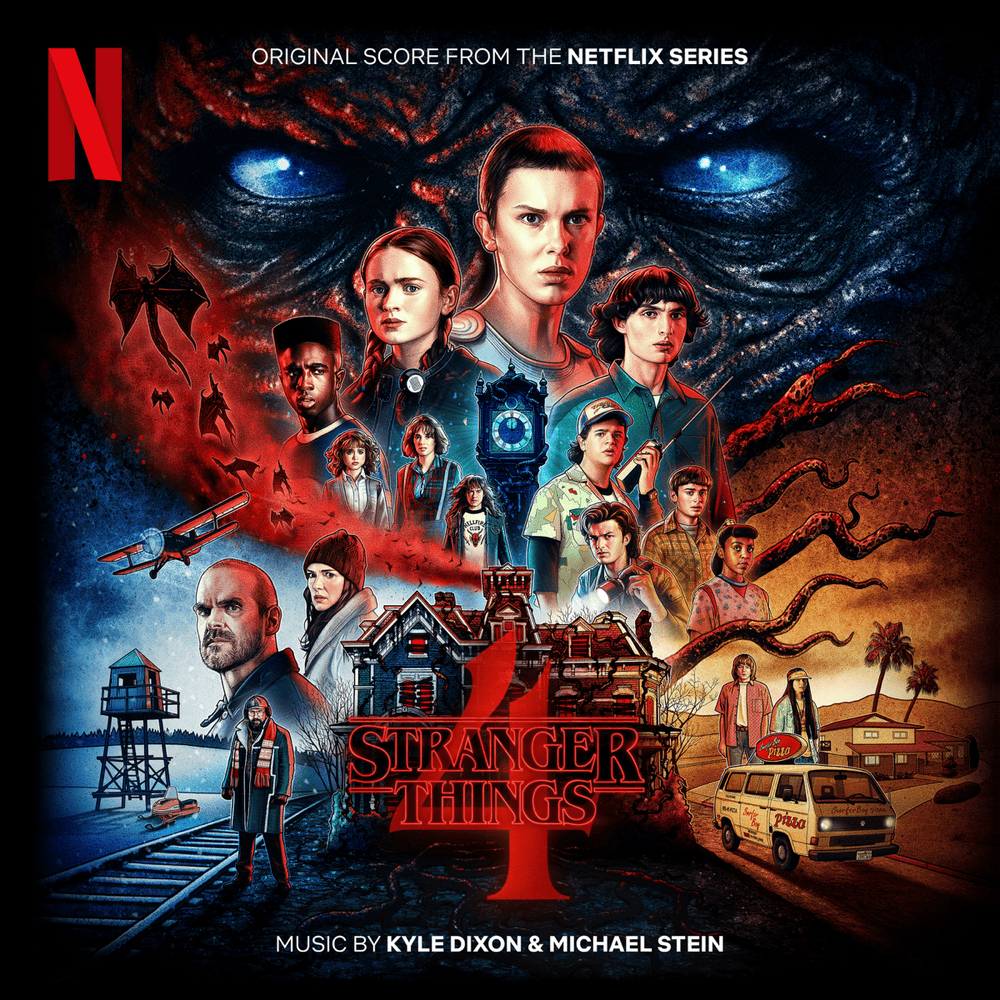
 View Artist