Song Meaning
The lyrics paint a stark picture of a relationship battered by past trauma and present disillusionment. Initially, the narrator describes a state of profound emptiness, feeling like "a shell of a lost thing" adrift in a dark, "violent escape." This sense of being broken and lost is amplified by imagery of a "drowned dog, a dead weight," emphasizing a feeling of worthlessness and inability to contribute positively. The arrival of another person seems to have offered a glimmer of hope, with the narrator recalling, "Until the day she told me / That I could be somebody." However, this initial uplift is quickly overshadowed by a deep-seated conflict.
The central tension arises from the narrator's insistence on their own non-heroic status, repeated with urgent emphasis: "I'm not a hero get it." This declaration is juxtaposed with the other person's perceived state of being a "hopeless case" and not deserving of their current "place." The repeated phrase "get it" acts as a plea for understanding, a desperate attempt to communicate a complex reality that the other person seems unwilling or unable to grasp. It suggests a dynamic where one person is trying to assert boundaries and reject a savior complex, while the other might be projecting expectations or struggling with their own issues.
The most striking lyrical device is the stark contrast between the narrator's self-perception and the implied expectations of the other. The pre-chorus, "And when did you say 'I don't need your hand on mine this time'," hints at a past where dependence or perhaps unwanted help was offered, and now a rejection of that dynamic is occurring. The bridge then shifts to a more accusatory tone, suggesting that the other person's current state of emotional coldness and closed-off eyes is a self-inflicted wound, a consequence of their own inability to love, rather than a reflection of the narrator's failure to be a hero. The repeated assertion "it's not that hard to open eyes" underscores this point.
Ultimately, the effectiveness of these lyrics lies in their raw honesty and the palpable frustration of the narrator. The refusal to be cast as a hero, despite potentially having offered support in the past, creates a compelling emotional arc. The lyrics don't offer easy answers; instead, they capture the difficult, often painful, process of setting boundaries and confronting the reality of another person's struggles when you can no longer bear the weight of their perceived needs. The repeated, almost exasperated, "get it" hammers home the emotional exhaustion of this situation.
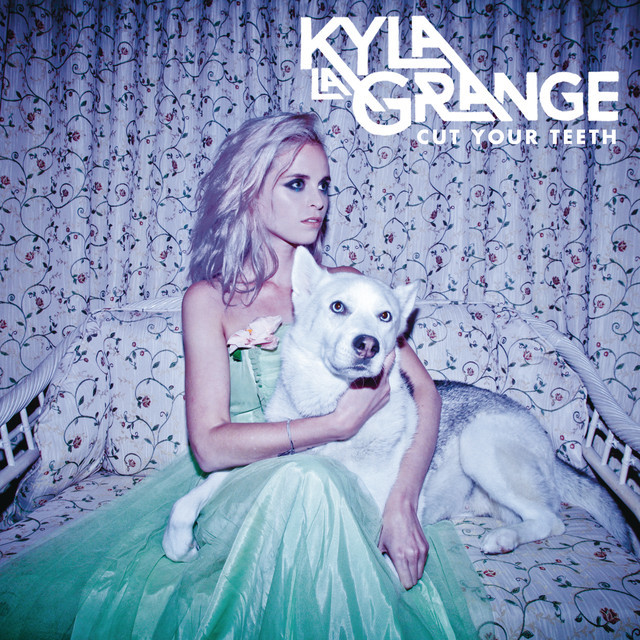
 View Artist