Song Meaning
The lyrics paint a stark picture of a solitary, unending journey. The opening calls and the imagery of walking through sand and into the sun suggest a departure, perhaps a forced one, into an uncertain, harsh environment. The phrase "Faen går te helvede" immediately sets a tone of damnation and struggle, amplified by the narrator going "uden mad" and having "strevd." This isn't a casual stroll; it's a desperate trek.
The central tension lies in the inescapable fate of being an "Evig vandrar"—an eternal wanderer doomed to never return home. Yet, there's a peculiar twist: "det har gått så mange år, han ha'kje et lengslig hjem." This suggests that the longing for home, or perhaps home itself, has faded or become irrelevant over the immense passage of time. The identity of "Evig vandrar" has superseded any former sense of belonging, making the curse almost a defining characteristic rather than a source of constant pain.
The imagery of "lyn te bakken kom" and the description of the wanderer as "jævla hissig / Og fortvila nå" adds a layer of intense, almost divine wrath to his plight. He's not just wandering; he's burdened, "drasse på gamle knokler," carrying the weight of his past or perhaps the remnants of those he's encountered. The "ransel" (backpack) is a tangible symbol of this perpetual burden, forcing him to "gå" without rest.
This relentless, almost elemental depiction of eternal movement and burden is what makes the lyrics so potent. The narrator is trapped in a cycle of struggle and despair, defined by his unending path and the heavy load he carries. The fading of the desire for home, despite the curse, creates a profound sense of existential weariness, where even the concept of rest or belonging has been worn away by the sheer duration of his wandering.
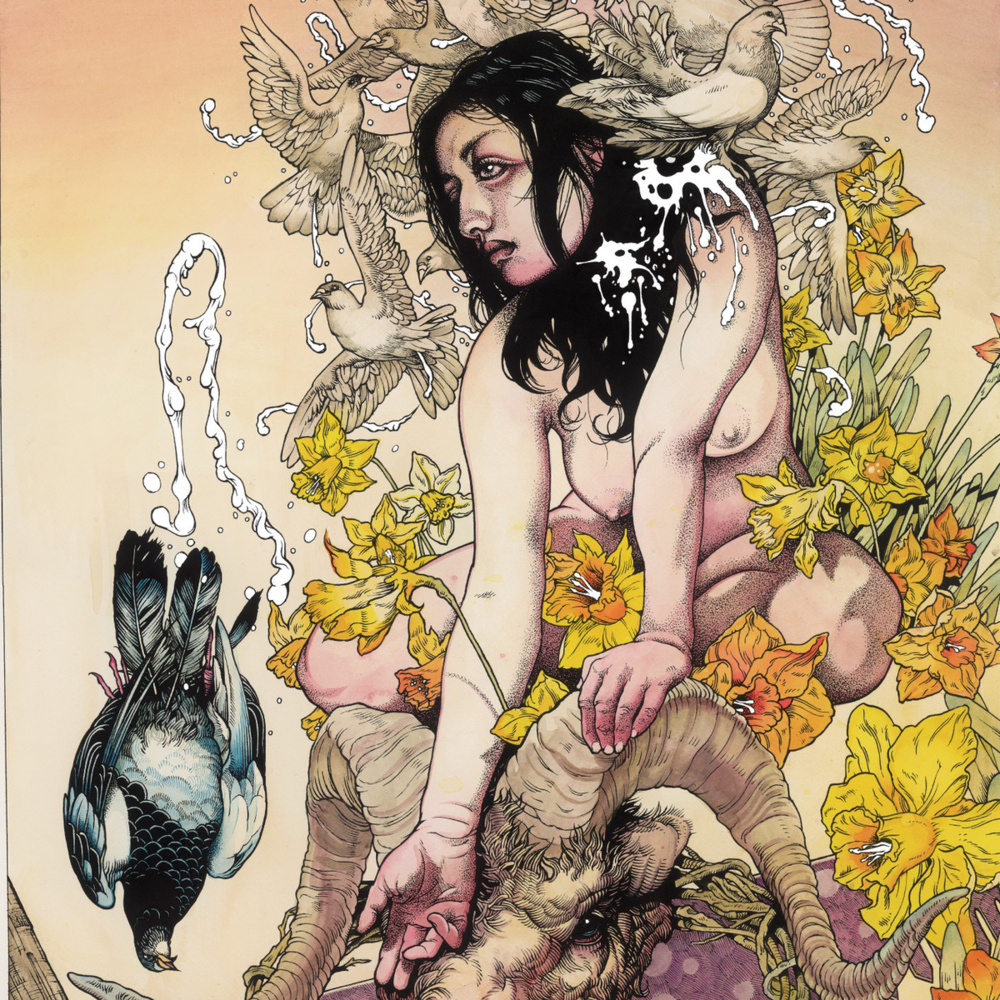
 View Artist