Song Meaning
The lyrics paint a bleak picture of a future where humanity is trapped in a technologically controlled, dystopian present. The opening lines immediately establish a sense of irreversible decay, a "generation no one could predict," leaving the "whole world an open wound with no time to heal." This sets a tone of profound despair and helplessness, amplified by the imagery of "electrodes attached to the head" and "zeros and ones flowing in the blood," suggesting a loss of individual autonomy and a forced integration into a digital, controlled existence. The narrator feels a desperate need for a reset, a "year zero," to escape this suffocating reality.
The central tension arises from the stark contrast between this oppressive present and a remembered past, specifically "1985," which represents an idealized time of freedom and normalcy. The question, "Can you remember it, the time before everything went downhill?" or "Can you remember it, the time we didn't have thought police?" highlights a yearning for a lost era, free from the pervasive surveillance and control depicted. This longing fuels the urgent refrain, "All I know is we have to get away, before we end up here in a dystopian horror."
The writing effectively uses powerful, unsettling imagery to convey the suffocating atmosphere. The "metropolis where sirens will sound" and "no place to hide" creates a sense of inescapable danger, while the "world in an artificial coma" suggests a collective, passive surrender. The chilling image of "eyes of steel looking down on us, caught like cattle in the flames that rise" and an "inquisitorial colossus forcing its way into our body" evokes a feeling of being dehumanized and violated by an unseen, overwhelming force. This visceral depiction of control and suffering makes the narrator's desire to escape to "1985" feel like a desperate plea for salvation.
Ultimately, the effectiveness of these lyrics lies in their ability to evoke a visceral sense of dread and a powerful yearning for a simpler, freer past. The specific, almost clinical descriptions of control – "electrodes," "zeros and ones," "thought police" – combined with the more abstract, terrifying imagery of "inquisitorial colossus" and "flames that rise," create a potent emotional impact. The repeated, simple plea "I want to go home to 1985" acts as a stark, emotional anchor against the overwhelming despair, making the desire for escape palpable and deeply resonant.
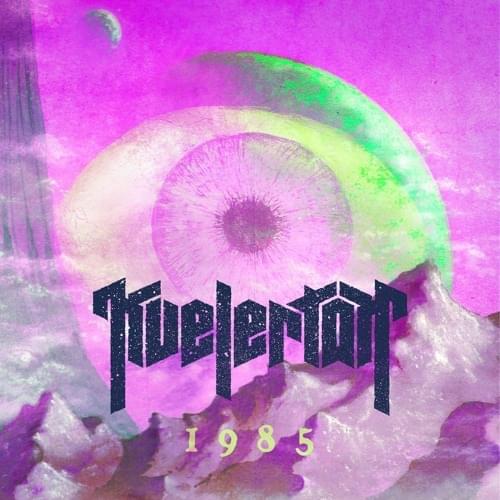
 View Artist