Song Meaning
The lyrics paint a picture of missed connections and a deep-seated pattern of inaction. The narrator describes conversations that circle without ever reaching genuine intimacy, particularly around faith. There's a recurring sense of opportunities slipping by, a feeling of being fundamentally unable to grasp or act on crucial moments. This inability to perceive or engage is framed as a core characteristic: "It's like me to never see." The repetition emphasizes this ingrained tendency, highlighting a profound regret over what has passed unnoticed.
The central tension arises from the stark contrast between past inaction and a sudden, profound realization. The news of someone's death arrives precisely when the narrator was finally prepared to open up, to "share my heart." This tragic timing underscores the painful irony of their lifelong struggle with missed chances. The phrase "another soul was won" suggests a spiritual or significant outcome that occurred independently of the narrator's readiness, amplifying their sense of loss and the weight of their own perceived failure.
The most striking aspect of the writing is the self-awareness coupled with helplessness. The narrator recognizes their flaw – "never see / When it came, when it went" – and even questions if a deeper belief could change this. The conditional "Would my care increase if I truly believed" reveals a yearning for a different self, one capable of recognizing and responding to life-saving opportunities. This internal conflict between knowing and doing, between observing a pattern and being trapped by it, forms the emotional core.
This piece resonates because it taps into a universal human experience: the sting of regret over unspoken words and unseized moments. The narrator's honest admission of their own perceived shortcomings, particularly the self-deprecating "It's like me," makes their struggle feel intensely personal yet relatable. The final lines leave the listener contemplating the profound impact of both presence and absence, and the quiet tragedy of potential left unfulfilled.
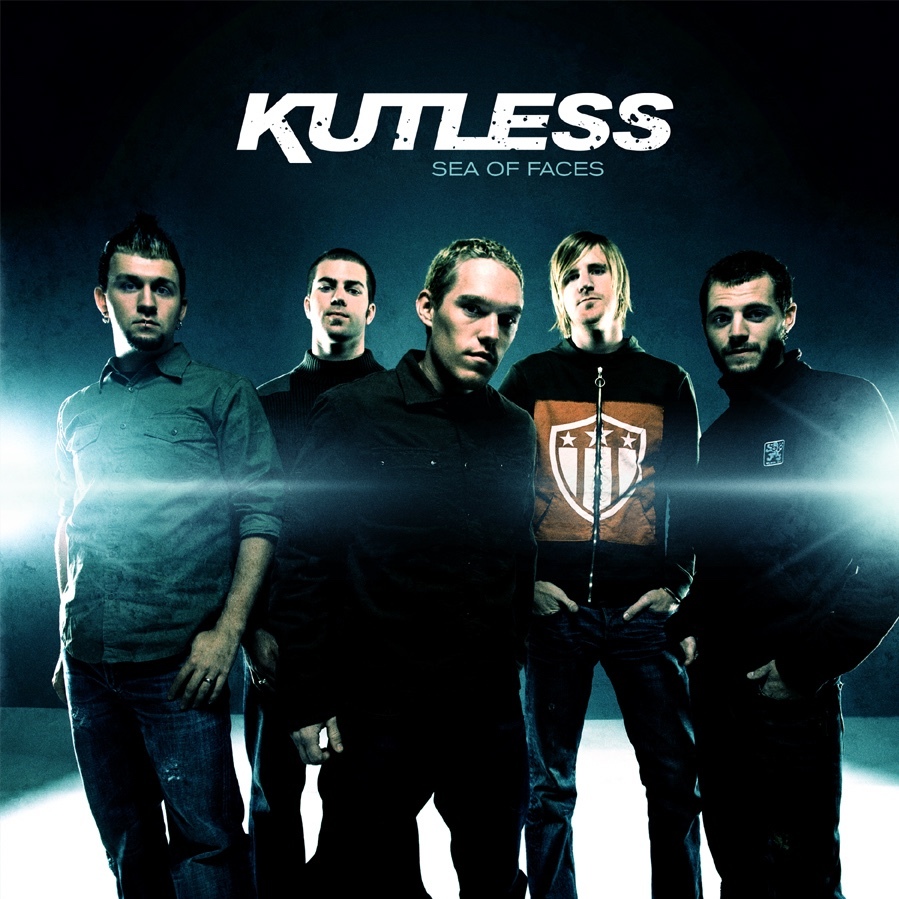
 View Artist