Song Meaning
The lyrics paint a picture of a life that's seen significant upward mobility, contrasting past struggles with present comfort. The narrator notes that things once obtained illicitly are now readily available, and while some who achieved fame are gone, they've personally navigated their own path, sleeping in metaphorical "hell" while others were in high society. This shift is marked by a greater focus on business over rap, yet a consistent ability to execute creative projects. The narrator emphasizes their relatability to people, attributing their success to authenticity rather than ego or substance abuse, and highlights a newfound financial power that can be used for good or ill. A profound realization about the supreme value of freedom emerges after extensive travel and reflection, even though the narrator feels they still face long odds.
The central tension lies in the narrator's complex relationship with their past and present, and the precariousness of their success. Despite achieving financial stability and a certain level of influence, there's an underlying sense of being "bez szans" (without a chance) and a lingering feeling of being an outsider. The contrast between past hardship ("spałem w piekle" - I slept in hell) and present comfort is stark, yet the narrator acknowledges that "zasypiamy w złości, rano wszystko ze mnie schodzi" (we fall asleep in anger, in the morning it all leaves me), suggesting that emotional turmoil persists beneath the surface. The repeated phrase "bywa, po prostu tak bywa" (it happens, it just happens) underscores a fatalistic acceptance of life's unpredictable nature, a theme reinforced by the observation that "każdy kto się bawił dobrze, teraz nadużywa" (everyone who had a good time is now overdoing it).
A particularly striking element is the narrator's perspective on material wealth and personal growth. They possess "wystarczająco forsy by ci pomóc lub zaszkodzić" (enough money to help you or harm you), a statement that reveals a sober understanding of power. The mention of "zegary Breitling'a" (Breitling watches) juxtaposed with the idea that "chłodny jest klimat i zmienia się perspektywa" (the climate is cold and the perspective changes) suggests that material possessions are viewed through a lens of evolving understanding, perhaps even detachment. The line "Ona cała w świecidełkach, ja bym kiedyś nie pomyślał" (She's all in trinkets, I wouldn't have thought so once) highlights a personal transformation, where superficial adornments are no longer the primary focus, indicating a shift towards deeper values.
These lyrics resonate because they capture a raw, honest portrayal of ambition and its consequences. The narrator doesn't shy away from acknowledging past difficulties or the moral complexities that come with success. The blend of street-level realism with philosophical reflections on freedom and perspective creates a compelling narrative. The outro's stark repetition of "Stoisz sam" (You stand alone) serves as a powerful, almost haunting conclusion, emphasizing the isolation that can accompany a unique path, even when surrounded by others who once shared the same aspirations. It leaves the listener contemplating the true cost of ambition and the enduring search for genuine connection.
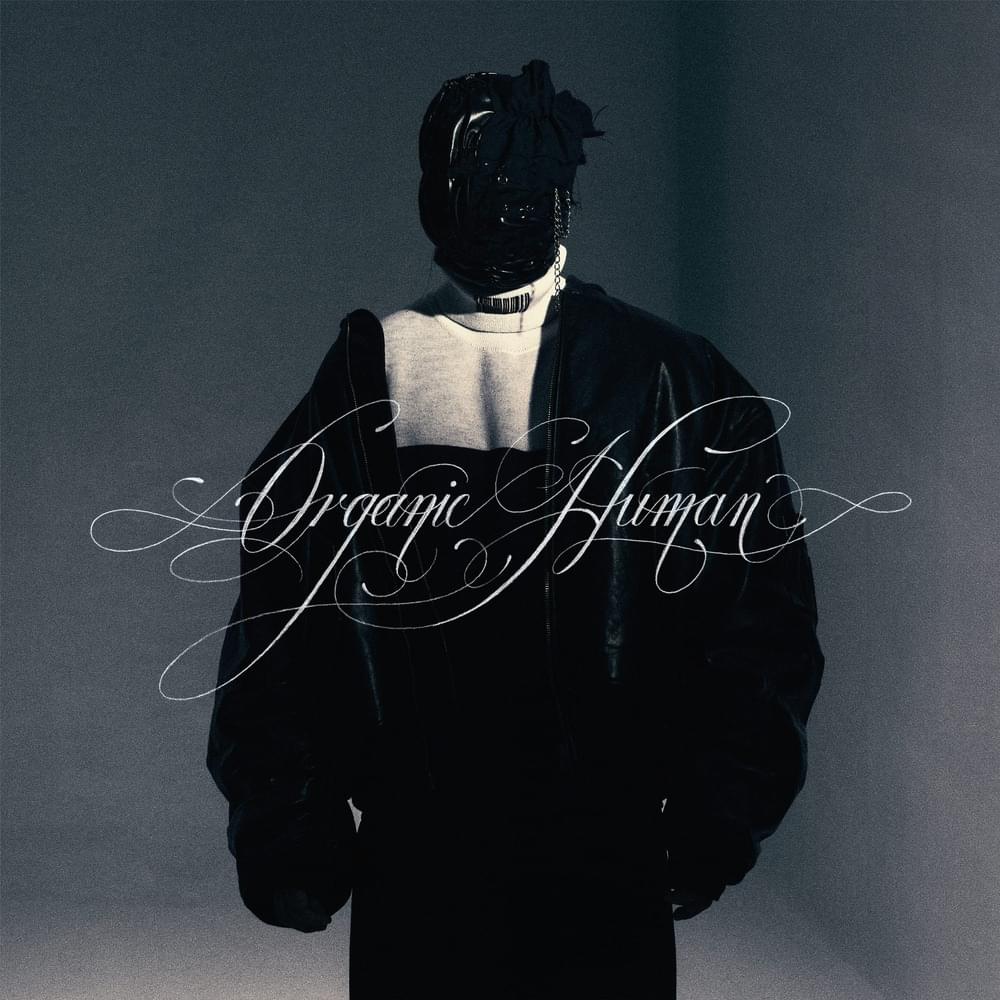
 View Artist