Song Meaning
The lyrics paint a surreal, unsettling scene: an old woman in a wheelchair on a highway, a jarring image that immediately pulls the listener in. The narrator's concern for her safety is met with a cryptic, almost detached response, setting a tone of bewildered empathy. This initial encounter feels like a glitch in reality, a moment of unexpected vulnerability on a dangerous, impersonal stretch of road.
The core of the song lies in the old woman's fantastical explanation for her presence. She claims to be chasing her husband, Stan, who was taken by a "pale man" in exchange for "a cup of tea." This isn't a literal story of loss; it’s a metaphorical one, suggesting a profound, perhaps supernatural, detachment from reality or a deeply internalized grief that manifests as a bizarre quest. The narrator’s naive question, "I wonder why," is met with a response that is both childlike and ancient, hinting at a reality far stranger than the narrator can grasp.
The most striking element is the narrator's shift from concern to a strange, almost complicit acceptance. After hearing the old woman's tale, the narrator doesn't dismiss it but instead offers a chillingly polite farewell. "You go and chase him, go ahead," she says, and then adds a request that twists the knife: "tell the pale man to make sure / To call before he comes to take me too." This response suggests the narrator, too, feels the encroaching presence of whatever took Stan, or perhaps she's simply internalizing the old woman's resigned, surreal worldview.
This exchange is effective because it uses stark, unexpected imagery to explore themes of loss, inevitability, and the strange ways people cope with profound absence. The mundane setting of a highway clashes with the supernatural narrative, creating a disorienting yet deeply resonant emotional landscape. The final lines, in particular, leave the listener with a sense of shared, quiet dread, as if the narrator has glimpsed a truth that is both terrifying and inescapable.
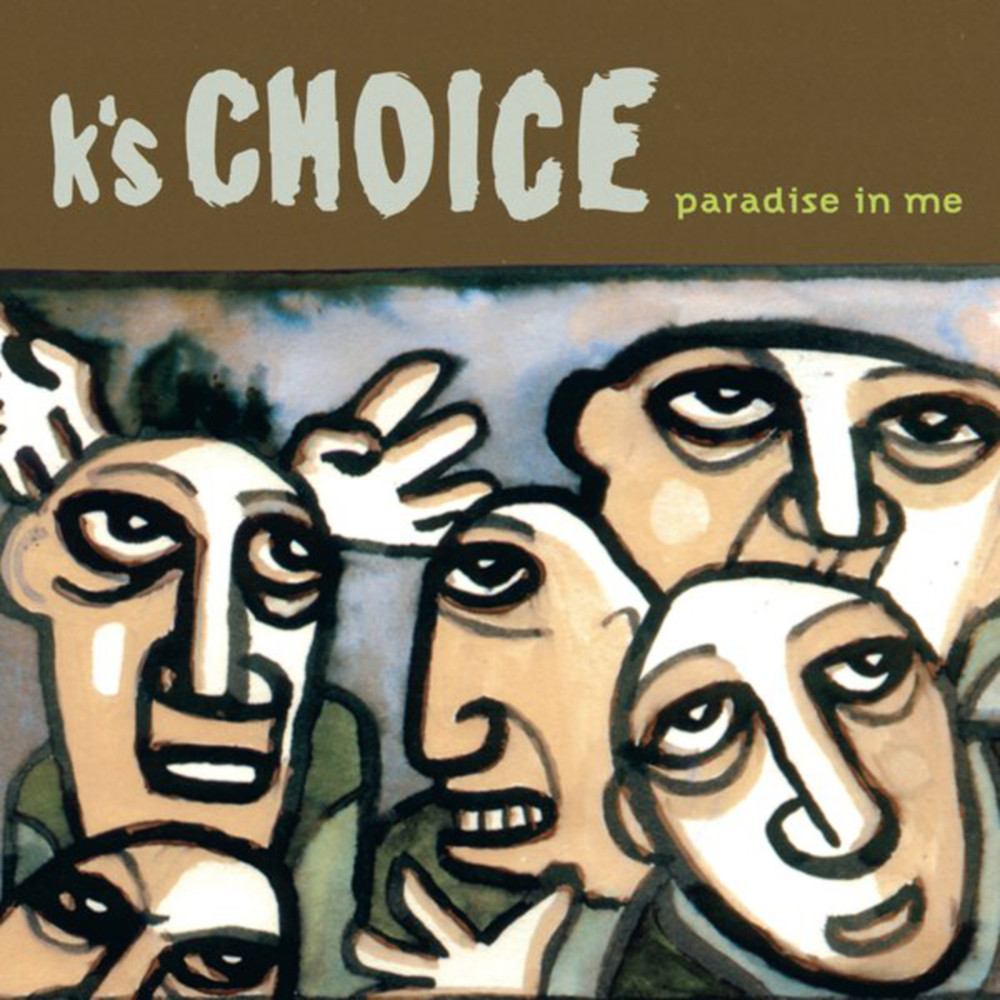
 View Artist