Song Meaning
The lyrics paint a stark picture of surrender, a profound weariness with the physical self and the battles fought. The narrator offers up their body, their shell, describing it as "old and it's worn and it's broken," and their lips, which have already said all they need to say. This isn't a plea for help, but a quiet, almost resigned, handing over of what remains. The repeated phrase, "Take my soul," underscores a desire to shed the burden of existence, to be free of the self that has endured so much.
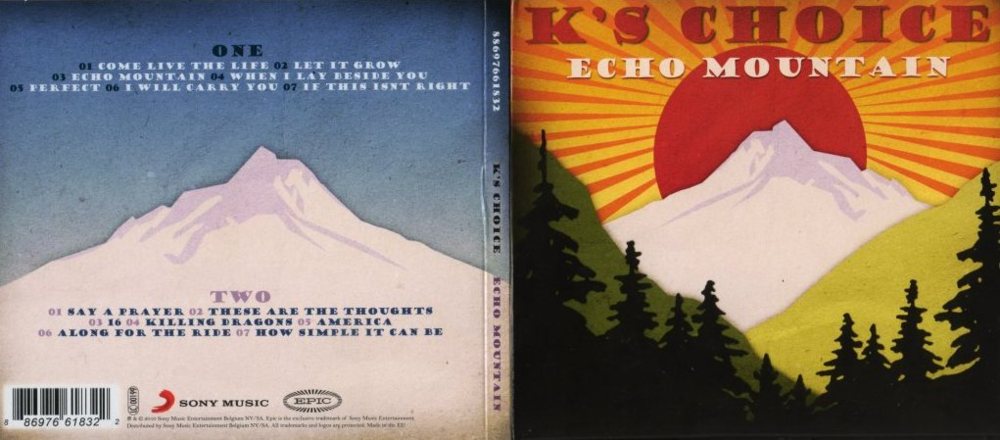
The core tension emerges in the contrast between past and present strength, vividly illustrated by the memory of childhood play. The narrator recalls being "twelve" in the backyard, "killing dragons with swords made of wood," a powerful image of youthful courage and imagined heroism. Yet, these same dragons have returned, and the narrator's current state is one of profound physical limitation: "my hands are so light / And too fragile to fight." This juxtaposition highlights the painful gap between the will to confront challenges and the body's inability to do so, making the present surrender feel all the more poignant.
The most striking craft element is the recurring motif of the hands, shifting from instruments of past action to symbols of present incapacity. Initially, they are "cold" and "fragile to hold," then later "light" and "too fragile to fight." This repeated description emphasizes the narrator's loss of agency and physical power, making the plea to "Take my soul" feel like the only remaining option when the body can no longer perform the actions it once could. The simple, almost childlike imagery of "swords made of wood" amplifies the tragedy of this decline, contrasting innocent bravery with adult frailty.
Ultimately, the effectiveness of these lyrics lies in their raw, unvarnished portrayal of exhaustion and the quiet dignity of letting go. The narrator isn't railing against their fate but accepting it with a profound sense of finality. The imagery, particularly the return of the dragons and the narrator's inability to fight them, resonates because it captures a universal feeling of facing insurmountable odds with depleted resources. The repeated, gentle command, "Take it all now my dear," transforms the act of surrender into a tender, albeit sorrowful, exchange.
 View Artist