Song Meaning
The lyrics paint a portrait of a relationship teetering on the edge of genuine connection, yet perpetually held back by an internal, unarticulated struggle. The narrator observes a partner who is close to contentment but never quite reaches it, marked by a persistent, unnamed discomfort. This creates a central tension: the desire to fully understand and embrace someone who remains elusive, even to themselves.
The core conflict lies in the inability to bridge the gap between surface appearance and inner reality. The narrator wishes to "look beyond your face" and "photograph your hidden place," suggesting a yearning for a deeper truth. Yet, the partner's own uncertainty – "I don't know what you want / 'Cause you don't know" – makes genuine inquiry feel futile, leaving the narrator to grapple with this emotional distance.
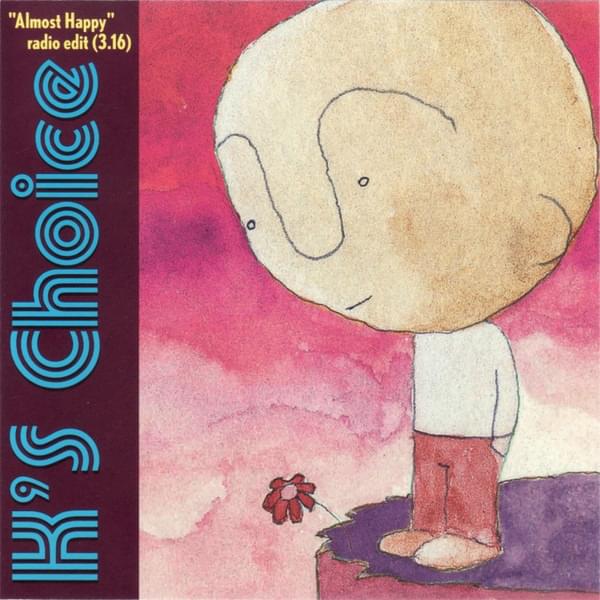
The recurring phrase "almost happy" functions as a powerful refrain, highlighting the frustrating proximity to peace that is never attained. This isn't about outright misery, but a more insidious state of near-satisfaction. The addition of "But your head hurts" grounds this emotional ambiguity in a physical, almost tangible ache, suggesting a deep-seated unease that prevents full happiness. The narrator's own attempt to internalize this complexity, to "love the whole of you / The poetry I stole from you / And hide inside my stomach," speaks to a desperate effort to hold onto something that feels both precious and elusive.
Ultimately, the effectiveness of these lyrics stems from their precise articulation of a common, yet difficult-to-define, emotional state. The repeated motif of almost-happiness, paired with the persistent "head hurts," captures the quiet desperation of loving someone who is fundamentally adrift. It’s the feeling of being on the outside of someone’s internal world, wanting to offer solace but being blocked by an unseen barrier, leaving the narrator to seek "A reason to be here" in the face of such persistent ambiguity.
 View Artist