Song Meaning
The lyrics paint a picture of someone determined to forge their own path, despite external advice and societal pressures. The narrator actively rejects the common wisdom that if one relationship ends, another will simply take its place, choosing instead to meticulously record their own experiences and memories. This internal focus suggests a deep personal journey, where individual moments and faces hold significant weight, forming the bedrock of their resolve. It's a quiet defiance, a commitment to self-definition over conformity.
The central tension arises from the contrast between external voices and the narrator's internal conviction. "Mówią ludzie" (people say) appears twice, highlighting the pervasive influence of others' opinions – whether it's about finding a replacement partner or the necessity of "układy" (connections/deals) for success. Yet, the narrator consistently pushes back, opting to "własną drogą wolę iść" (prefer to go my own way) and seeing themselves "ponad niewolą nagich ścian" (above the captivity of bare walls). This internal compass guides them through the noise of external expectations.
The recurring image of "blask nade mną" (a glow above me) from "zachodu, aż po wschód" (from west to east) is particularly striking. It signifies an all-encompassing, inevitable dawn of freedom. This isn't a fleeting hope but a certainty, a "blask" that is actively "budzi się" (waking up). The repetition of the chorus reinforces this unwavering belief in an approaching liberation, a state of being "wolny będę znów" (free again). The phrase "lada dzień już, wiem na pewno" (any day now, I know for sure) solidifies this anticipation.
What makes these lyrics resonate is their portrayal of quiet, internal strength. The narrator isn't fighting an outward battle but cultivating an inner certainty. The imagery of recording memories and the expansive, rising glow suggests a personal awakening and the profound satisfaction of reclaiming one's autonomy. The final verse, with its glimpse of someone else crying "to oni wrobili mnie" (they framed me), subtly underscores the narrator's own commitment to not being trapped or falsely accused, further emphasizing their chosen path toward freedom.
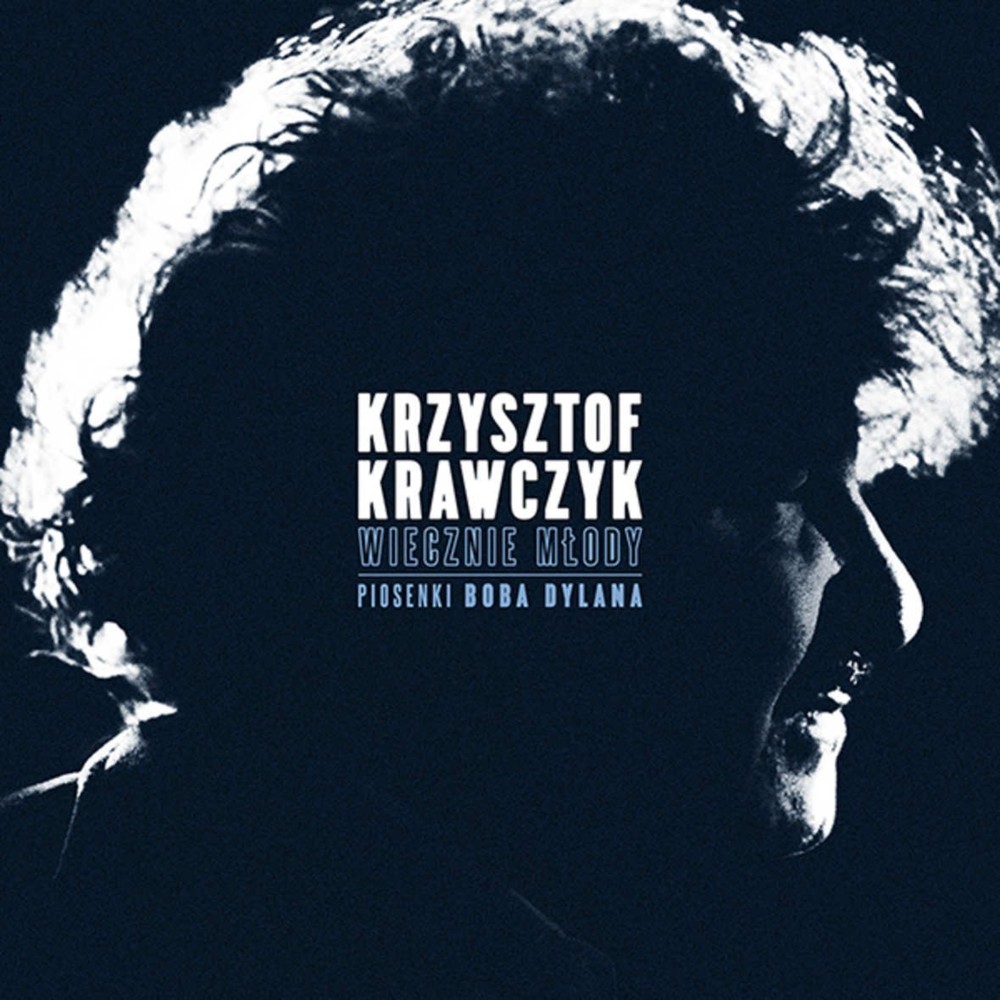
 View Artist