Song Meaning
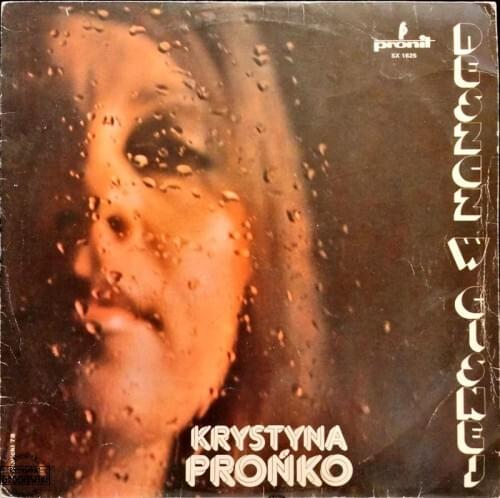
The lyrics paint a picture of a relentless, almost biblical downpour in a place called Cisna. The narrator finds a peculiar comfort in this heavy rain, contrasting it with the "many absurdities" carried by "herds of clouds" and the anonymity of the "big city." This isn't just a light shower; it's a deluge so intense that the narrator jokes, "Noah with an ark would come in handy." The dominant tone is one of melancholic acceptance, finding solace in a shared, overwhelming experience.
The central tension lies in the narrator's preference for this oppressive weather. While the "car wheels slide" and "wipers sadly weep," and even a "bird sat down at the crossroads, apparently it doesn't like it either," the narrator declares, "I like the rain in Cisna." This suggests a deliberate turning away from the outside world's discomforts and finding a strange peace in being stuck, isolated by the storm. The repeated line about a card game, "Solitaire, which I've been laying out since morning, didn't work out for me again," reinforces this feeling of quiet, personal failure or stagnation that the rain seems to amplify rather than disrupt.
The most striking craft element is the personification of the rain and its effects. The "wipers sadly weep" and the "deaf rhythm of drops" that "knocks on my door" imbue the storm with a mournful, insistent presence. This isn't just weather; it's an active force that mirrors the narrator's internal state. The contrast between the "big city" where "no one knows how long it can drizzle" and the specific, overwhelming rain in Cisna highlights a desire for a more tangible, even if bleak, reality. The lyrics suggest that this intense, isolating weather offers a strange kind of clarity or belonging, a shared experience of being overwhelmed.
What makes these lyrics resonate is their honest portrayal of finding comfort in shared hardship or isolation. The narrator isn't pretending the rain is pleasant in a conventional sense; they acknowledge the difficulties it brings. Yet, with each "bigger drop of rain," the narrator feels "better and better here." This unexpected affirmation, grounded in the specific, almost oppressive imagery of the storm, offers a unique perspective on finding peace not in sunshine, but in the heart of a downpour. It’s a quiet rebellion against the expectation of happiness, finding contentment in the present, however dreary.
 View Artist