Song Meaning
The lyrics present a clear dichotomy between established, rigid traditions and a more personal, heart-led way of living. The narrator questions the validity of rules that lead to widespread confusion and an inability to meet expectations, directly contrasting them with a self-defined "religion." This personal creed is built on acceptance and understanding, not condemnation.
The central tension arises from the perceived conflict between societal or traditional doctrines and the innate human desire to follow one's heart. The repeated phrase "so many of us are so confused / And will never live / Up to your rules" highlights a feeling of alienation and failure stemming from adherence to external, potentially flawed, systems. The narrator's "religion," conversely, offers a solution rooted in empathy and connection.
The most striking aspect of the craft is the direct, declarative nature of the chorus, which redefines "religion" not as a set of dogmas, but as an active principle of love. The repetition of "My religion doesn't hate / It'll never turn you away" and "My religion won't condemn / Always lends a healing hand" serves to hammer home this alternative definition. The ultimate assertion that "It's love" is the core of this personal faith, stripping away judgment and embracing compassion.
This approach is effective because it reframes a loaded term like "religion" into something universally accessible and emotionally resonant. By grounding their personal belief system in tangible actions like "sacrifice for / Someone who is in need," the lyrics offer a practical, actionable vision. The repeated assertion of love as the guiding force provides a hopeful counterpoint to the confusion and judgment described earlier, suggesting a path toward collective healing.
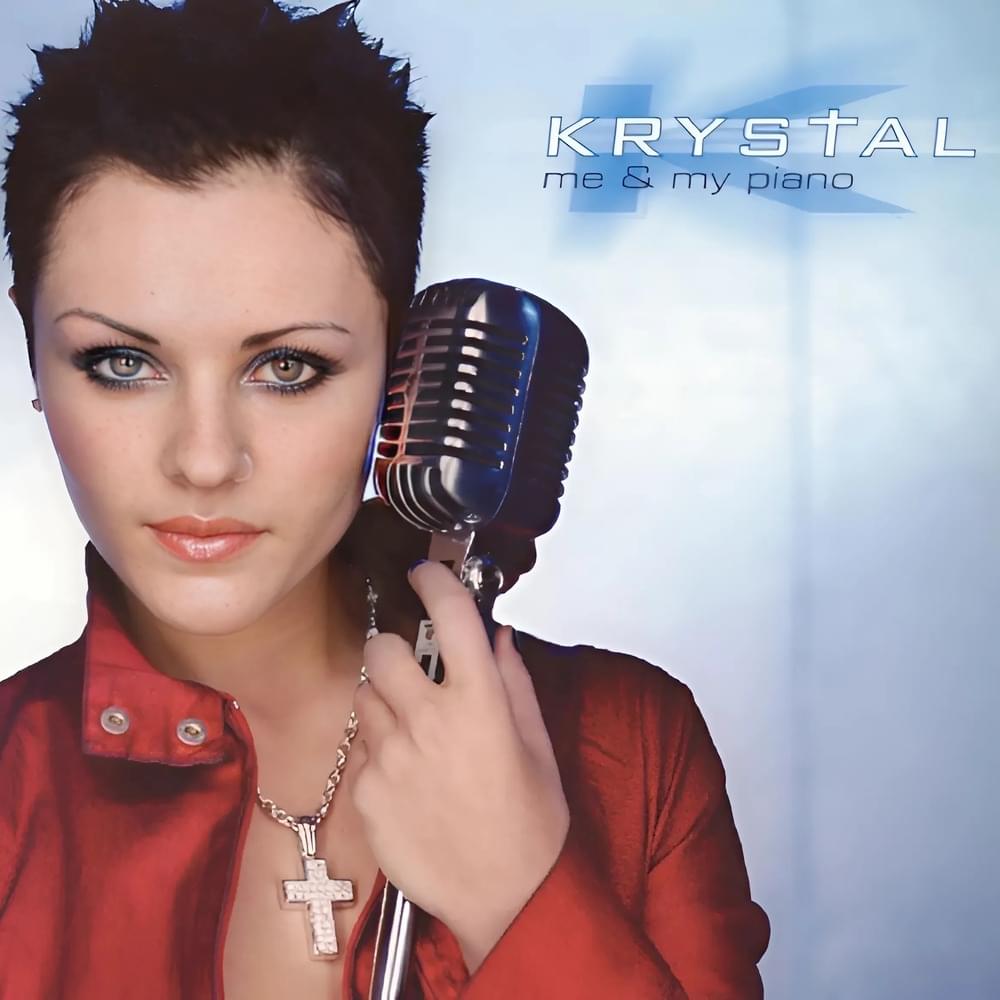
 View Artist