Song Meaning
The lyrics pose a series of rhetorical questions, immediately establishing a tone of weary resignation and questioning a predetermined fate. The narrator asks if they are destined to be a "hosekone" (a term often associated with a housewife or domestic role) forever, perpetually spinning at their "rok" (spinning wheel) and consuming their "sognebrød" (parish bread, implying a life of routine and perhaps limited means). This paints a picture of a life trapped in monotonous domesticity and potential poverty, a future the narrator clearly dreads.
This sets up a central tension between a passive, imposed existence and a desire for agency. The repeated "Skal jeg nu" (Shall I now) emphasizes a lack of control, a feeling of being subjected to a life rather than choosing it. The question about enduring "armod" (poverty) further highlights the bleakness of this potential future, suggesting a life devoid of opportunity or fulfillment.
The turning point arrives with the narrator's plea: "SÃ¥ giv mig til min rok og min ten" (Then give me my spinning wheel and my spindle). This isn't a surrender but a reclamation. By asking for the tools of their perceived fate, the narrator signals a shift towards active engagement. The final line, "SÃ¥ skal I se hvor jeg kan bruge mine ben" (Then you will see how I can use my legs), is a powerful assertion of capability and a promise of action, suggesting they will find a way to move forward and perhaps transcend their prescribed role.
The effectiveness lies in this subtle but profound pivot from questioning to commanding. The lyrics masterfully use the imagery of domestic tools not as symbols of confinement, but as instruments for self-determination. The narrator’s final declaration implies that even within the confines of their expected life, there is room for movement, purpose, and a demonstration of strength, turning a potential curse into a declaration of intent.
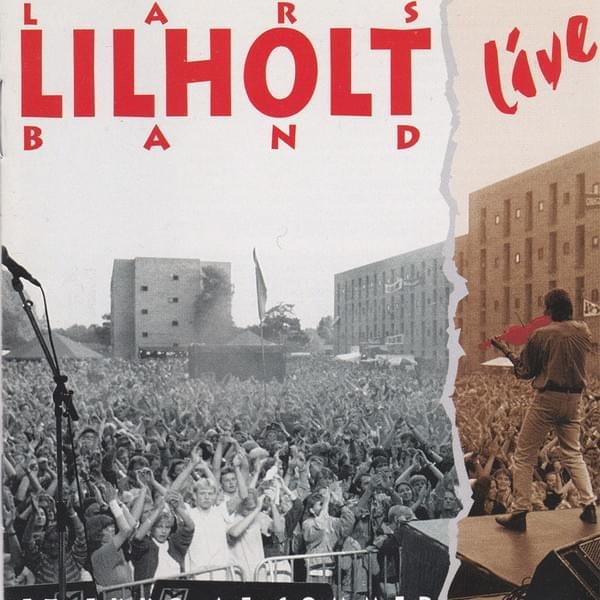
 View Artist