Song Meaning
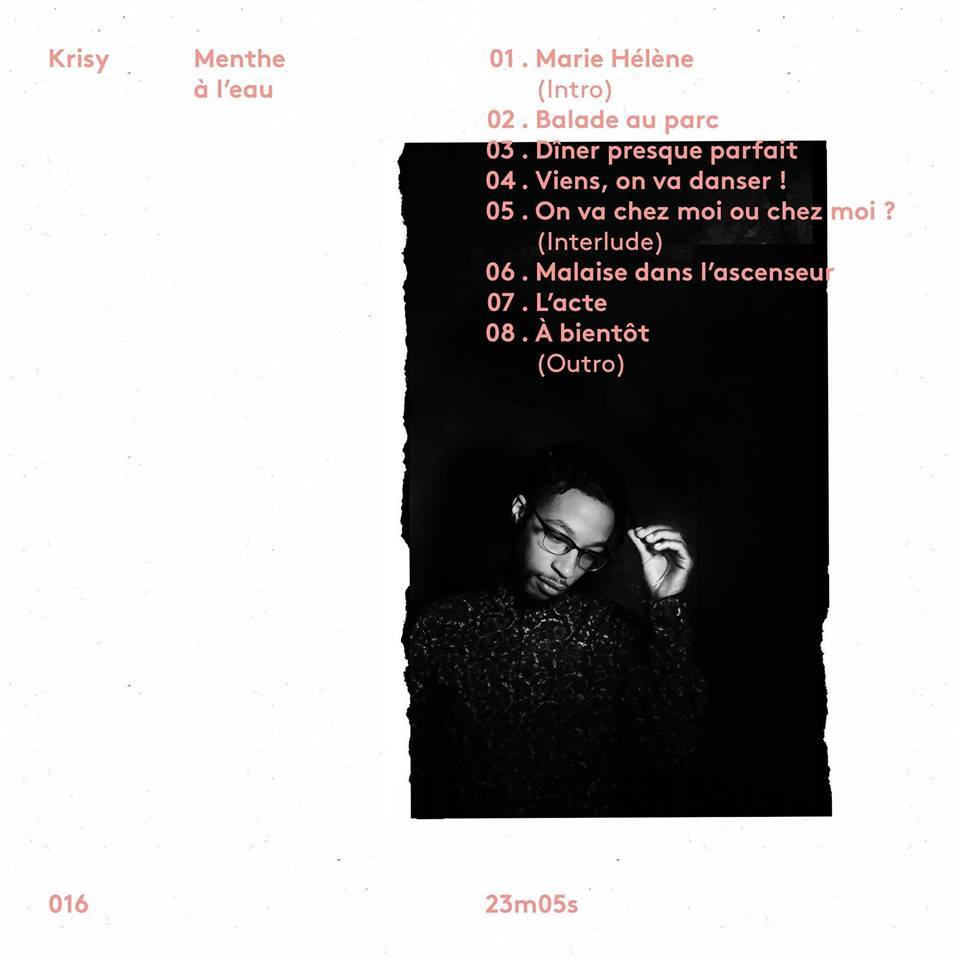
This interlude captures a late-night, charged moment after a great evening. Marie Hélène expresses a rare feeling of freedom and joy, thanking Krisy for the night. The air is thick with unspoken possibilities as the conversation shifts from the pleasant past to a suggestive present.
Krisy's playful but direct offer, "Je te dépose chez moi ou chez moi ? T'as le choix" (I'll drop you at my place or my place? You have the choice), immediately introduces a subtle tension. Marie Hélène's hesitant "Hmpf, il est quelle heure là ? T'es sûr que c'est une bonne idée ?" (Hmpf, what time is it? Are you sure this is a good idea?) reveals her apprehension, contrasting with Krisy's confident "Evidemment que c'est une bonne idée" (Obviously it's a good idea).
The core of the scene lies in this delicate negotiation of boundaries and desires. Krisy paints an alluring picture of his "joli building de la capitale, on y voit les étoiles" (pretty building in the capital, you can see the stars), a romanticized image designed to ease Marie Hélène's doubts. The repeated promise, "Je te redéposerai demain matin. Promis" (I'll drop you off tomorrow morning. Promise), acts as a reassurance, attempting to frame the potential intimacy as temporary and safe.
Ultimately, the lyrics' effectiveness stems from their understated portrayal of a pivotal decision. Marie Hélène's eventual "Ok, allons-y" (Okay, let's go) is a surrender to the moment, a choice made under the influence of a shared good time and Krisy's persuasive charm. The interlude leaves the listener with the lingering question of what happens next, perfectly encapsulating the thrill and uncertainty of a spontaneous romantic encounter.
 View Artist