Song Meaning
Kristin Hersh's chilling lullaby, "Whole Heap of Little Horses," burrows deep, unsettling the listener with its deceptively simple lyrics. The repetition of "Go to sleep, go to sleep, go to sleep little baby" initially evokes a sense of maternal comfort, the kind of hushed promise whispered in the dark. But the subsequent image of a "whole heap of little horses" introduces an element of the surreal, even the nightmarish. What are these horses? Are they toys, symbols of childhood innocence? Or do they represent something darker, a collective of anxieties threatening to trample the fragile peace of sleep? The colors – "black and bay, sorrel and gray" – further complicate the image. While seemingly innocuous, the absence of brighter, more joyful colors casts a pall over the scene, suggesting a world where even dreams are tinged with shadow.
The true genius of "Whole Heap of Little Horses" lies in its ambiguity. Hersh, known for her intensely personal and often cryptic songwriting, leaves the interpretation open, allowing the listener to project their own fears and experiences onto the song. The lullaby form itself becomes a vehicle for exploring the anxieties of parenthood, the constant awareness of vulnerability, and the struggle to protect one's child from the unknown. The "pretty little horses" could be seen as metaphors for the challenges and dangers that await the child in the waking world, a world that is far from the idyllic safety of the nursery.
Ultimately, "Whole Heap of Little Horses" is a powerful meditation on the duality of love and fear. It acknowledges the profound responsibility of caring for another human being, the constant negotiation between wanting to shield them from harm and preparing them for the realities of life. The cyclical nature of the lyrics, the endless repetition of the lullaby, mirrors the cyclical nature of these anxieties, the way they return again and again, a constant undercurrent beneath the surface of everyday life. The song's meaning isn't a single, easily defined concept, but rather a complex web of emotions and associations, a testament to Hersh's ability to tap into the deepest recesses of the human psyche.
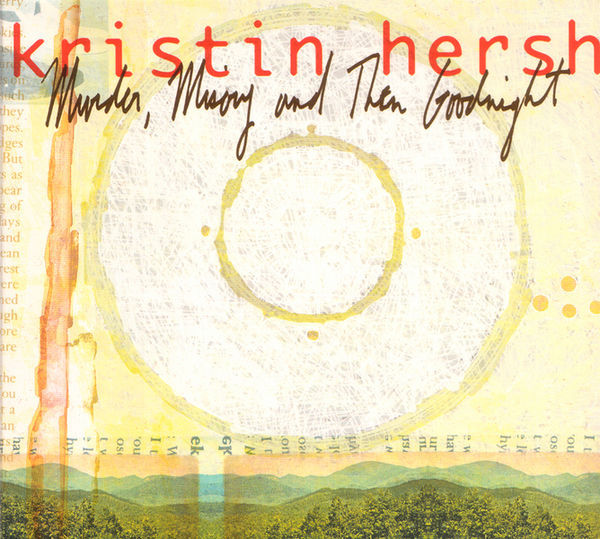
 View Artist