Song Meaning
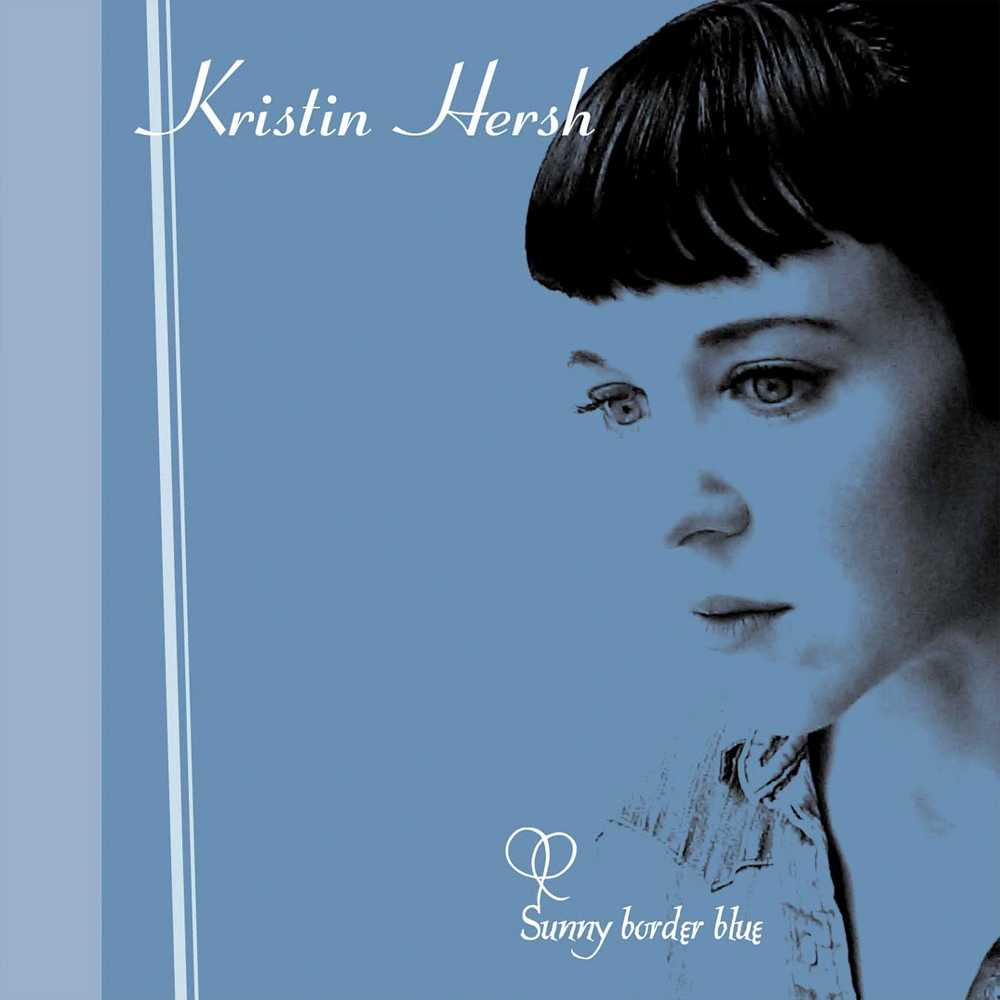
Kristin Hersh's "Summer Salt" isn't a beachside postcard; it's a psychological autopsy of a toxic infatuation. The opening lines, "Let's back up and act like we're sober/Newborn clean," immediately suggest a relationship built on denial and perhaps self-deception, a desire to rewrite a messy narrative into something pristine. The object of affection is a "cold blooded creature," yet the narrator is doing "limbic somersaults," indicating a raw, primal attraction overriding reason. It's that push-pull dynamic that fuels the song's unsettling allure.
The lyrics paint a portrait of someone alluring yet dangerous. The repeated lines, "For a toxic thing you sure smell pretty/Summer, salt and wine" and "For an ugly boy you sure look pretty/A cowboy Frankenstein," highlight this paradox. There's an awareness of the inherent toxicity, a Frankensteinian quality, but the attraction remains potent, almost intoxicating. The "summer, salt, and wine" evokes a carefree, sensual experience, but it's laced with a hint of decay, like fruit that's just past its prime. The dreamlike sequences, "I dreamt you were playing along," hint at a yearning for reciprocation, a desire for the other person to meet the narrator in their vulnerability, but it's all happening "in your dreams," suggesting an unbridgeable gap.
The latter half of the song dives deeper into the power dynamics. "When it's touch and go you blow your wad/Like no one ever fails" is a raw, almost cynical observation of someone who operates without consequence, perhaps emotionally stunted. The line, "For a quiet boy you sure talk dirty/A velvet bed of nails," further emphasizes the duality – a facade of gentleness masking a capacity for inflicting pain, or perhaps a desire for it. The closing lines, "I don't have to talk/But when I do and this is true/There's nothing I won't say," suggest a final release, a moment of cathartic honesty after a period of stifled expression, hinting at a potential, if painful, liberation from this intoxicating and destructive dynamic. The song's true meaning lies in that final, defiant act of vocalization.
 View Artist