Song Meaning
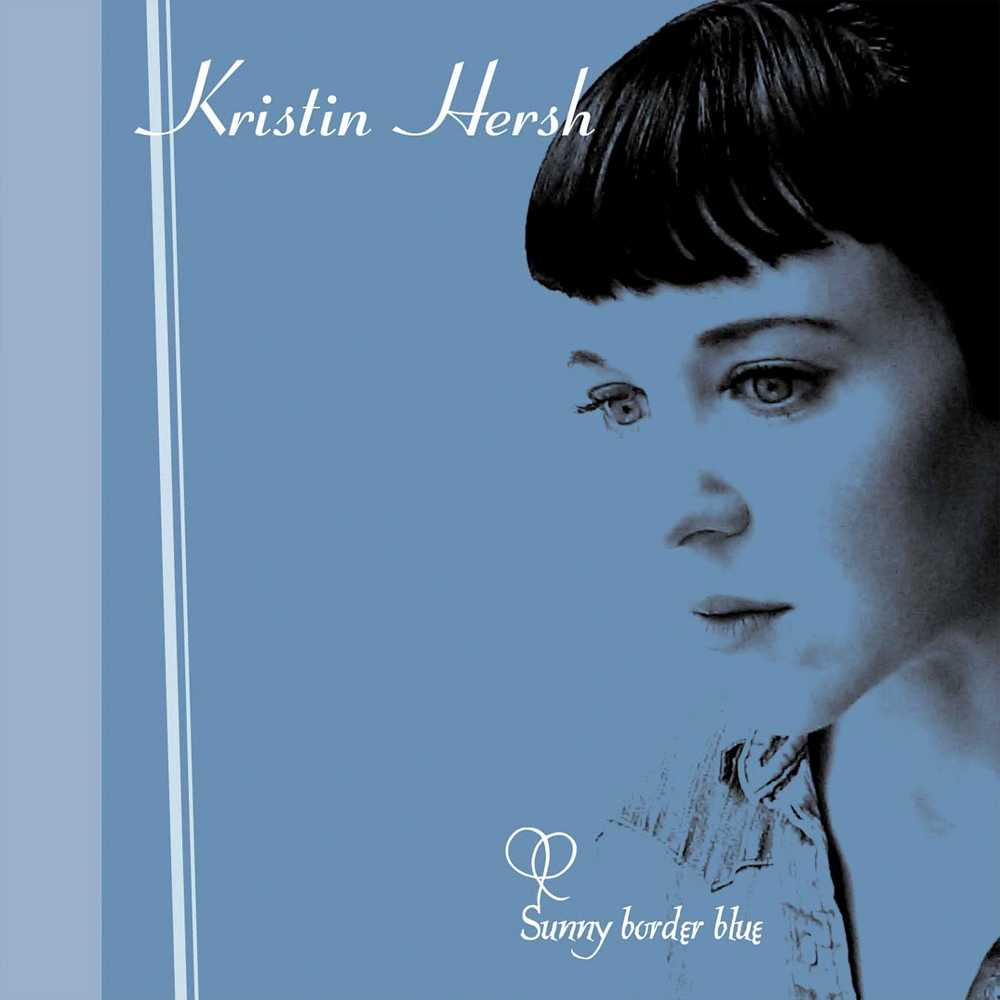
Kristin Hersh's "Ruby" doesn't offer easy answers; instead, it thrives in a space of uneasy beauty and fractured perspectives. The song meaning revolves around identity, questioning whether we are genuine gems or just shimmering distractions, as captured in the central line: "Ruby or iridescent cough drop?" This contrast highlights the precarious nature of perceived worth, suggesting a possible struggle with self-esteem or the validation sought from others. The lyrics paint a world populated by contrasting figures – "idiots and prophets," "raunchy and sweet" – hinting at the blurring of lines between perceived wisdom and foolishness, innocence and experience. Hersh often explores the complexities of the human condition, and "Ruby" is no exception.
The verses offer fragmented snapshots rather than a linear narrative. The "baby like a winter bird" evokes vulnerability and resilience, while the line "the boy's our superman" hints at a naive idealism or perhaps a projection of hope onto someone young. These images, though seemingly disparate, contribute to the overall sense of searching and yearning. The bridge exposes a raw need for reassurance: "Should I do this, am I good?" It's a vulnerable plea directed at a "great convincer," someone who holds sway over the speaker's self-perception. The repeated question underscores a deep-seated insecurity and a reliance on external validation.
Ultimately, the song circles back to the idea of transformation and acceptance. The closing verse, with its image of "old paint" and a grandmother's horse, speaks to resilience and a refusal to be discarded. The final lines, "'Til we become beauty, a fluid medium," suggest a desire to transcend limitations and find beauty in the unexpected. "Ruby", therefore, isn't a simple declaration but a complex meditation on identity, worth, and the ongoing struggle to find one's place in a world of shimmering surfaces and hidden depths. The song's power lies in its ambiguity, inviting listeners to project their own experiences and interpretations onto its evocative imagery.
 View Artist