Song Meaning
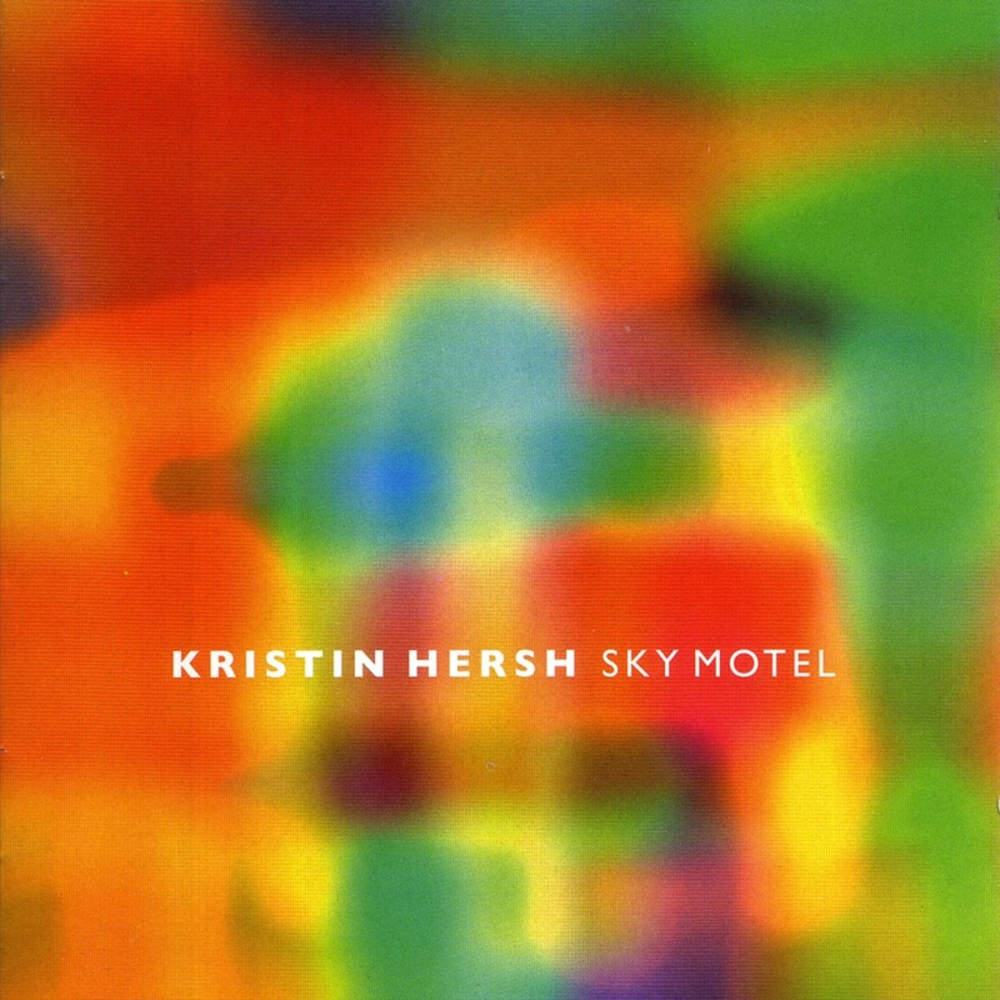
Kristin Hersh's "Fog" operates in the shadowy corners of the psyche, a sonic exploration of resilience and the quiet desperation of human connection. The opening lines, a repeated, almost Sisyphean "walk a mile, then walk another mile," immediately establishes a sense of relentless forward motion, a trudging through life's inevitable hardships. But it's the subsequent instruction, "When you hit the fog rehearse your smile," that reveals the song's true core: the performance of normalcy in the face of internal turmoil. The fog itself is a powerful metaphor, representing mental obfuscation, emotional confusion, or perhaps even a dissociative state. The rehearsed smile becomes a mask, a carefully constructed facade designed to shield the vulnerability beneath. Hersh isn't just singing about sadness; she's dissecting the strategies we employ to conceal it.
The "underground" imagery adds another layer to the song's meaning. This isn't a literal subterranean space, but a psychological one—a place of quiet introspection, or perhaps repression. The paradox of "rolling in like thunder makes no sound" speaks to the silent storms that rage within us, the internal conflicts that may never surface outwardly. It's a stark contrast to the performed smile, highlighting the chasm between inner experience and outward presentation. The lyrics are less a narrative and more a series of evocative images, each contributing to the overall atmosphere of veiled struggle.
Ultimately, “Fog” circles around the complexities of relationships formed under duress. The line "Peace of mind and empty all the time" suggests a bargain struck, a trade-off between emotional stability and genuine feeling. The final lines, "Like sand under the snow, I make you mine," are particularly haunting. Sand, shifting and unstable, hidden beneath the deceptive purity of snow, implies a possessive love built on a foundation of impermanence and concealed pain. Hersh isn't offering a romantic vision; she's exposing the darker aspects of human connection, the ways in which we can cling to one another even when—or perhaps especially when—we are lost in the fog.
 View Artist