Song Meaning
{"song_id": 15890994, "meaning": "Kristin Hersh's \"Eyeshine\" operates in the shadowed corners of connection, where unspoken truths and suppressed dialogue amplify the intensity of attraction. The opening lines, fragmented and almost transactional (\"A wad of cash, a grain of salt\"), hint at a relationship built on uneven exchange and perhaps, a deliberate withholding. The repeated mantra of \"I don't talk/You don't talk\" becomes less about literal silence and more about a refusal to fully articulate the complexities churning beneath the surface. This silence, however, isn't empty; it's charged with the potential for both intense connection and profound misunderstanding. The lyrics create a tension between a desire for intimacy and an inability to fully express it. The deliberate choice to remain silent allows for a different kind of communication, one based on observation and intuition, as seen in the lines, \"I see your lips move/You are the view.\"
The recurring phrase \"Eyeshine to devastation\" serves as a haunting anchor, suggesting that even the most captivating attractions can lead to ruin. \"Ground glass opacities\" further reinforces this sense of obscured vision and potential harm, as if the beauty of the connection is laced with a dangerous, almost toxic element. Yet, amidst this potential for destruction, there's an acknowledgment of something valuable, even if it comes at a cost: \"This is nice and only half of it cost any money/This is right and only half of it cost any money.\" The repetition implies a justification, a rationalization of the inherent imbalance within the relationship.
Ultimately, the song meaning circles back to the push and pull of connection and disconnection. The lines \"That contact revelation/This conflict resolution\" and \"This transfixed hesitation\" capture the precarious balance between understanding and discord. The repeated assertion that \"You hung the moon\" is not a simple declaration of love, but a statement of profound impact and influence. Hersh seems to be suggesting that even in the absence of words, or perhaps because of it, certain individuals possess the power to reshape our entire emotional landscape. The parenthetical whispers of \"(We don't talk)\" at the song's close serve as a constant reminder of the unspoken dynamics that define the relationship, leaving the listener to question whether this silence is a source of strength or a harbinger of inevitable collapse."}
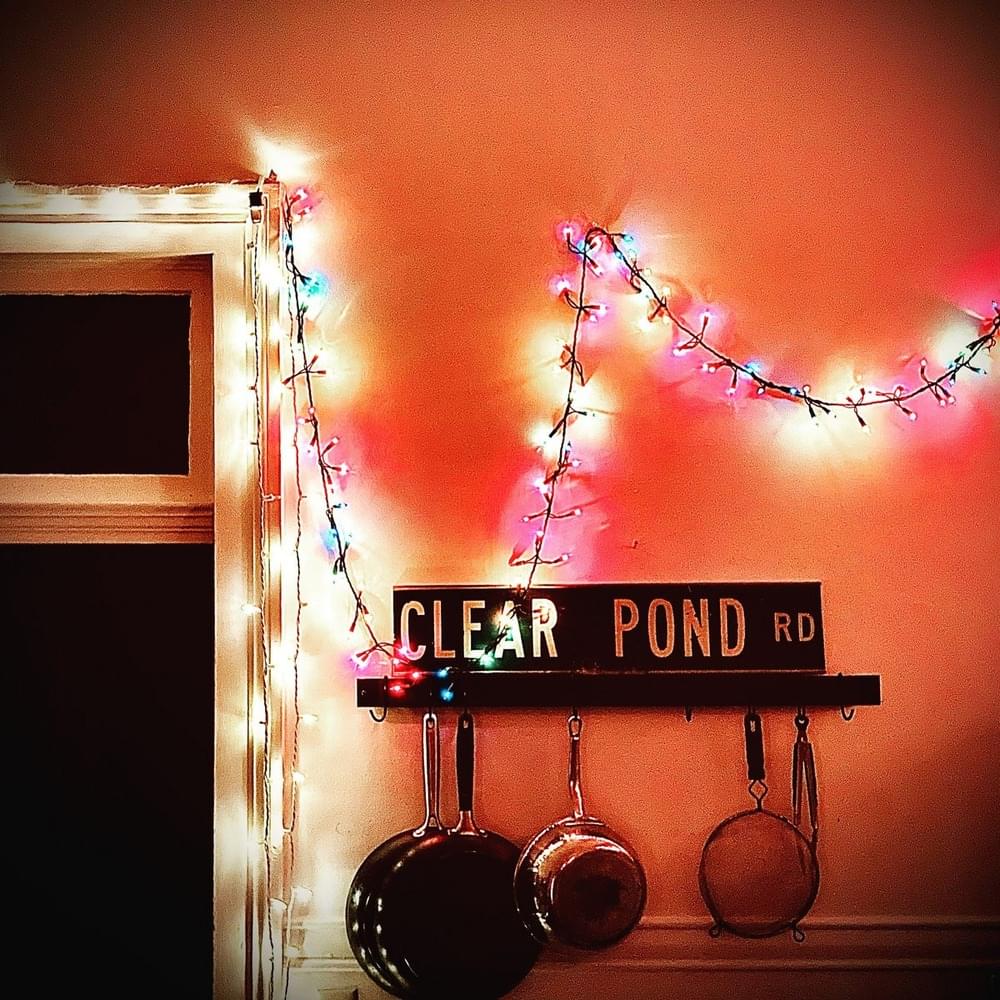
 View Artist