Song Meaning
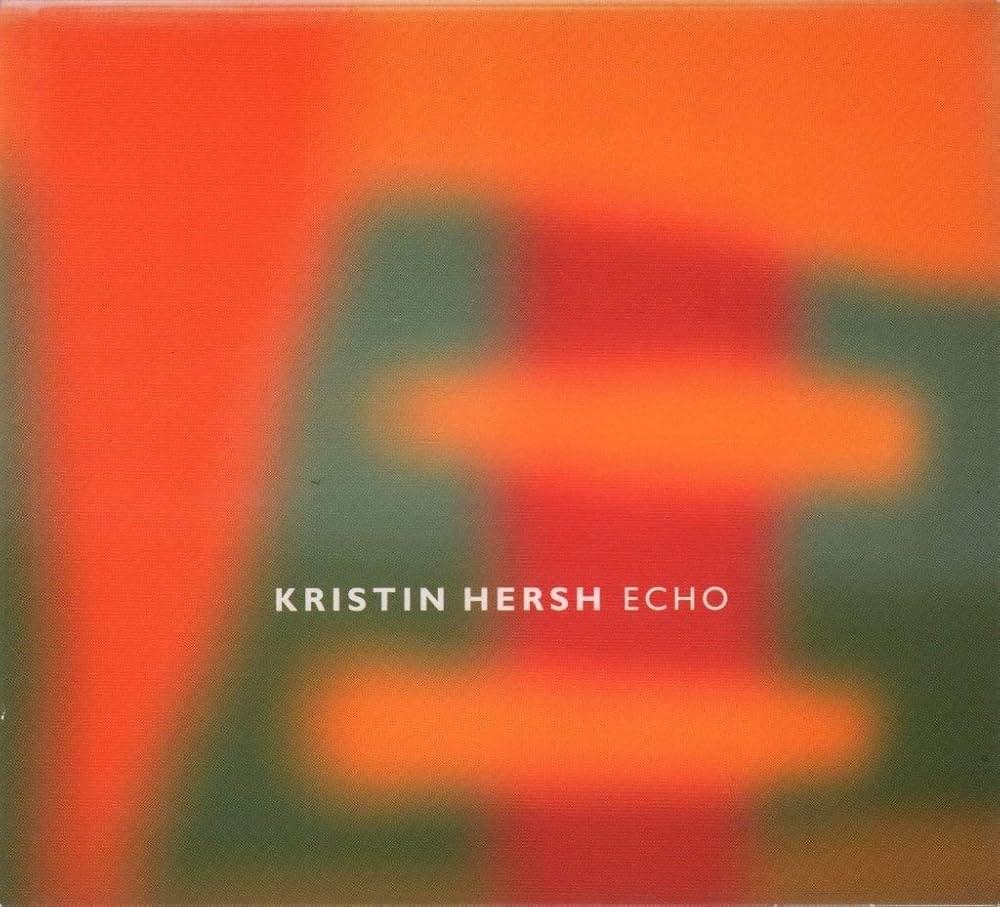
Kristin Hersh's "Echo" isn't a song so much as a sonic haunting, a recurring nightmare played out in tight, looping verses. The 'white label on the backseat' acts as both a physical detail and a symbol – perhaps a forgotten record, a blank slate, or something more clinical, casting an 'artificial green' glow on the narrator's fractured state. Hersh masterfully evokes a sense of craving and pursuit, the narrator both desiring something unnamed ('a midnight something,' 'an empty lifestyle,' 'the very loudest sound') and being relentlessly hunted. This push-and-pull creates a disorienting effect, mirroring the internal chaos of someone caught in a self-destructive cycle. The lyrics suggest a personality that simultaneously alienates and craves connection, 'scaring everybody' and 'wearing everybody down,' yet also 'loving everybody' while 'hating everyone I see.'
The repetition throughout the song is key to understanding its deeper meaning. The recurring 'white label' and the mirrored actions of chasing and being hunted underscore the cyclical nature of the narrator's torment. It's a feedback loop of desire and repulsion, amplified by the 'loudest sound' and dispersed into the titular 'echo.' The 'echo' itself becomes a metaphor for the reverberating consequences of one's actions, a constant reminder of past choices and present struggles. The warmth across the lap could be interpreted as a fleeting moment of solace or connection, quickly followed by the bitter realization that 'I never asked for my heart back,' suggesting a deep-seated resignation or a history of emotional unavailability.
Ultimately, "Echo" is a portrait of internal conflict, expertly rendered through Hersh's signature blend of evocative imagery and unsettling sonic textures. It's a song about the struggle to reconcile contradictory impulses, the isolating effects of addiction or mental illness, and the persistent echoes of past trauma that shape our present experiences. The genius of the song lies in its ability to create a visceral sense of unease and disorientation, leaving the listener to grapple with the ambiguity and emotional weight of the narrator's journey.
 View Artist