Song Meaning
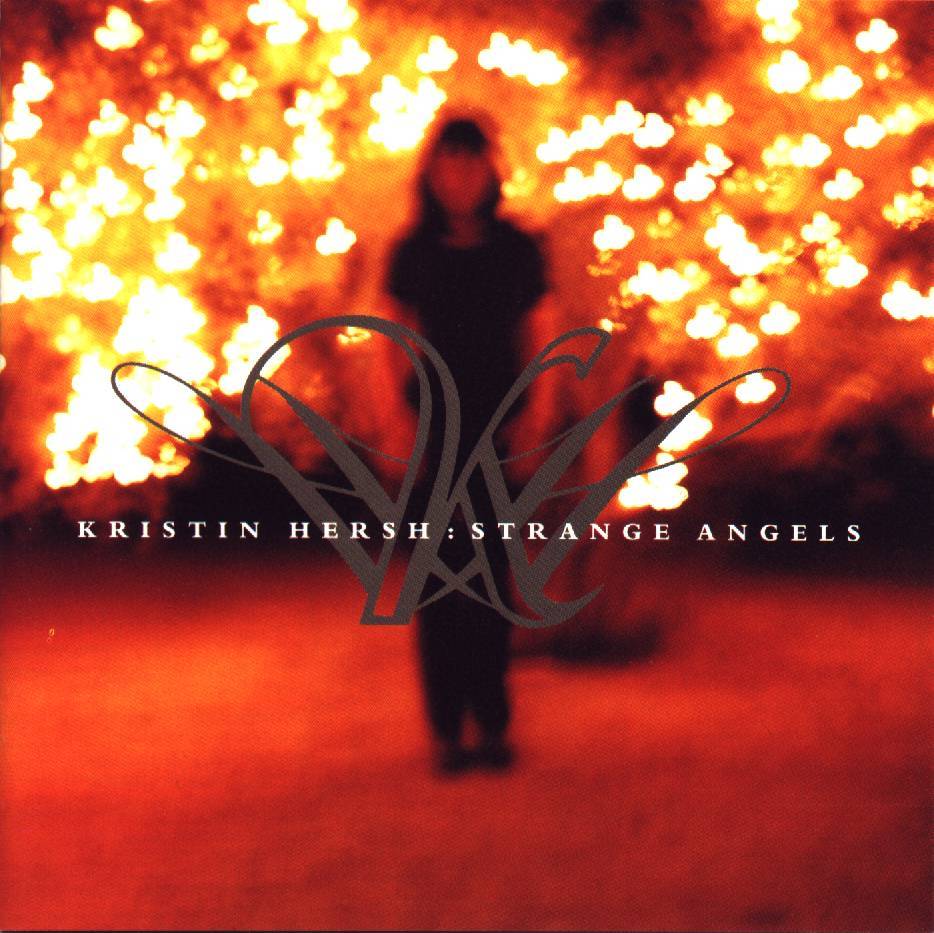
Kristin Hersh's "Cartoons" isn't child's play; it's a stark, unsettling glimpse into the psychology of self-deception. The opening lines, "This war's okay / In a sweet old fashioned way / Like a game we play," immediately establish a disturbing juxtaposition. War, typically a symbol of chaos and destruction, is presented as a quaint, almost nostalgic game. This isn't about literal warfare; it's about the internal battles we wage, the ways we normalize dysfunction to cope. Hersh hints at a shared delusion, a collective agreement to perceive something harmful as benign. The line "Guilty of something we forgot" suggests a repressed trauma or a moral compromise that the characters are actively avoiding. It's the elephant in the room, conveniently ignored.
The lyrics dance around the idea of dissociation. "I wasn't staring / I was just looking far away" is a classic deflection, a way to distance oneself from an uncomfortable truth. The repetition of "something I forgot" underscores the deliberate act of forgetting, a defense mechanism against overwhelming emotions. Is it trauma? Is it shame? The ambiguity is the point. The invitation to "drink this down" implies a further numbing of reality, a descent into escapism to prolong the avoidance. The line, "Acting this way is a craft" speaks to the performed nature of this denial; it's not genuine acceptance, but a carefully constructed facade.
The song culminates in a bleak resignation. "I'll shut up soon / Then we'll go home / Covered in Band-Aids and casts" paints a picture of quiet suffering. The Band-Aids and casts are the visible scars of a hidden conflict, the price paid for maintaining the illusion. Going "home" doesn't necessarily imply a place of comfort or safety, but rather a return to the familiar, albeit damaged, status quo. "Cartoons," therefore, is a masterful exploration of denial, trauma, and the human capacity to normalize the abnormal. It’s a reminder that sometimes, the most dangerous battles are the ones we fight within ourselves, and the deepest wounds are the ones we refuse to acknowledge.
 View Artist