Song Meaning
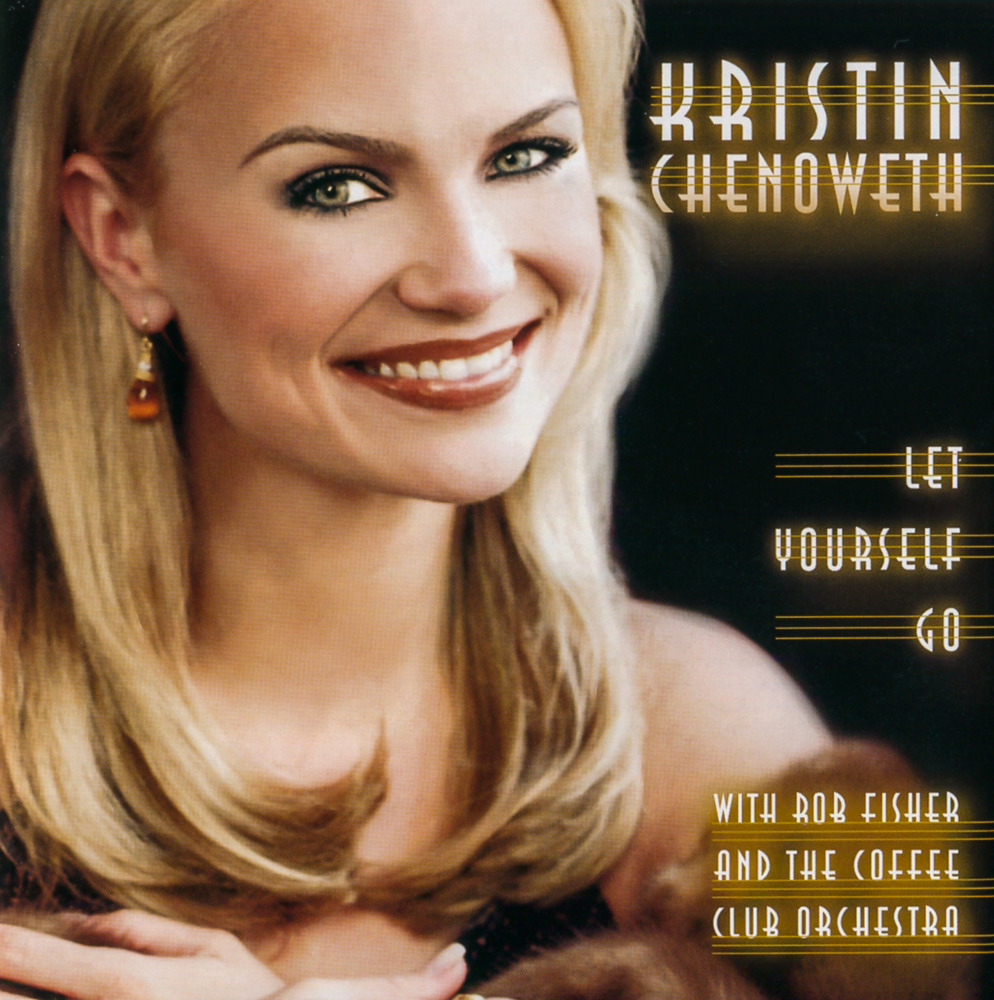
Kristin Chenoweth's "Let Yourself Go" is less a song and more an exuberant directive, a sonic shot of serotonin urging listeners to abandon their inhibitions. The track wastes no time establishing its purpose: to unshackle the listener from the "knot" of daily anxieties through the liberating power of music and dance. It's a call to collective effervescence, that Durkheimian rush of shared joy experienced in groups – in this case, on the dance floor. The lyrics paint a vivid picture of a communal space where social hierarchies dissolve ("Butcher, banker, clerk and grocer"), replaced by the unifying rhythm. Chenoweth isn't just suggesting a casual boogie; she's prescribing movement as a form of psychological release.
The song's insistent repetition of "Let yourself go" underscores its almost therapeutic intent. The imagery is tactile and sensory: feeling the "dance floor feel your leather," the sound of the "hot marimba." These aren't abstract concepts; they are embodied experiences designed to pull the listener out of their head and into their body. The lyrics cleverly juxtapose the "cold" night with the "hot" music, highlighting the transformative power of the communal experience to combat feelings of isolation and detachment. It's a reminder that sometimes the most profound acts of self-care involve surrendering to something larger than ourselves.
Ultimately, “Let Yourself Go” is a mini-manifesto for embracing vulnerability and finding connection through shared joy. It acknowledges the human tendency to become “tied up in a knot,” weighed down by worries and self-consciousness. Chenoweth's solution isn't complex; it's a simple, direct invitation to shed those burdens, to trust the music, and to find solace and liberation in the collective rhythm of the dance floor. The song meaning resonates because it taps into a universal desire for release, for a moment of uninhibited joy in a world that often feels too controlled and constrained.
 View Artist