Song Meaning
The lyrics paint a scene of profound loss, framed by a melancholic, almost celestial, country song that echoes a past love. The narrator observes a figure with a "conscience as clear as the tear in your eye" and a "heart beaten golden and pure," suggesting an idealized memory of someone deeply cherished. This memory is so potent it triggers a visceral reaction, feeling "all the feelings we set down in song," as if the emotional core of their shared experiences has been ripped away.
The central tension lies in the contrast between fading material fortunes and the enduring power of love. Fortunes "faded like stars into daylight," and even "tear drops we turned into gold," implying a past where hardship was transmuted into something valuable through shared experience. Yet, this transformation is juxtaposed with the inevitable decay of worldly things, setting up the core assertion that something more fundamental remains.
The most striking craft element is the recurring motif of "every hard rocking wreck on the highway" and "every heartbroken rule of the road." These images of destruction and painful lessons, presented as "true thing we wrote on the wind," are paradoxically described as "still singing." This powerful paradox culminates in the refrain: "Love is the last thing to go," positioning love not as a casualty of life's wreckage, but as the persistent echo of it all.
This lyrical construction is effective because it grounds an abstract concept like love in concrete, often harsh, realities. The imagery of "wrecks" and "rules" makes the emotional stakes palpable, while the idea of writing on the wind suggests a fleeting yet impactful legacy. By presenting love as the final element to surrender after all else has been lost or transformed, the lyrics offer a poignant, almost defiant, perspective on its ultimate resilience.
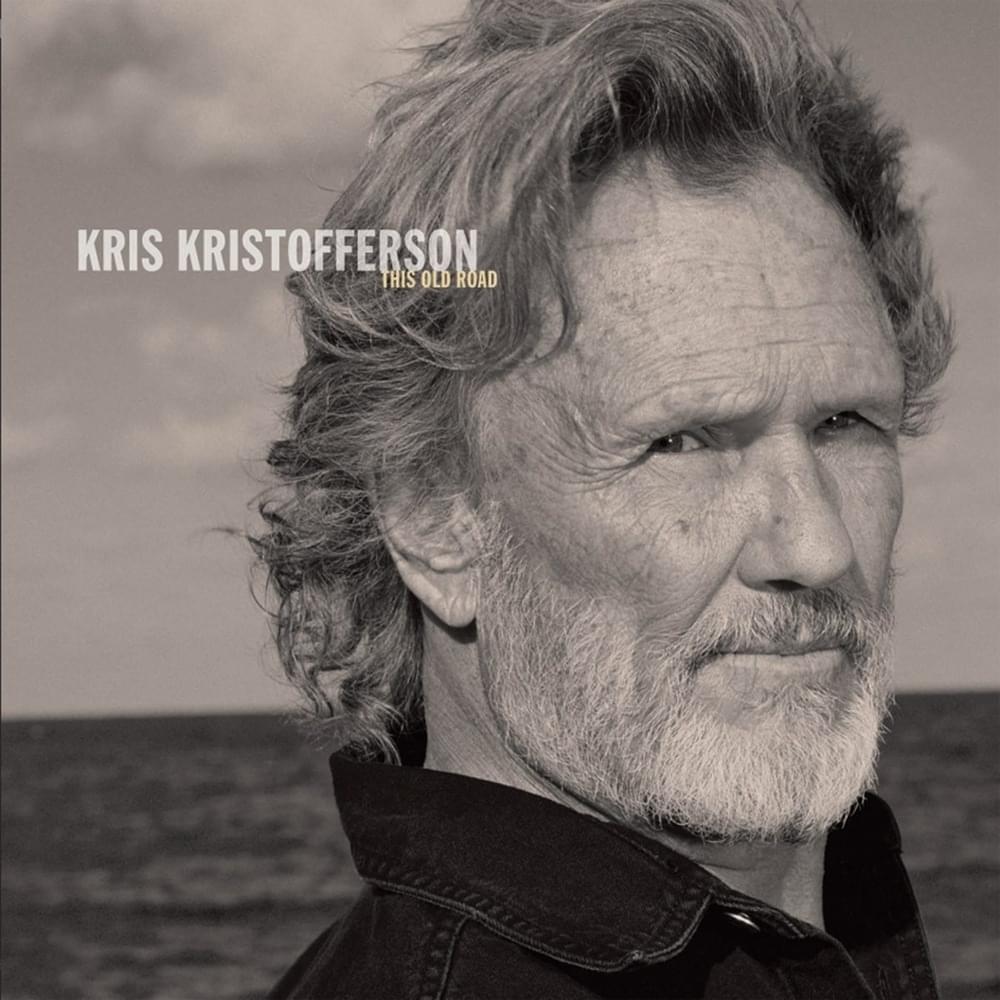
 View Artist