Song Meaning
The narrator paints a vast, lonely landscape under a star-filled sky, immediately establishing a tone of profound isolation. This immense silence, stretching as far as the eye can see, is directly contrasted with the intimate question posed to a distant loved one: "do you ever dream of me." The imagery of a "dark moon" and "silver night" amplifies this feeling of being adrift, with the "wild perfume" on the breeze offering a fleeting, almost phantom connection to something desired but not present. The stars themselves become a chilling metaphor, described as "cold as forever" and only "half as true" as the relationship, highlighting a deep-seated doubt about its stability or the loved one's fidelity.
The core tension arises from the narrator's desperate promises of unwavering devotion against the backdrop of personal suffering. They pledge to be "your friend, I'll be your lover, I'll be whatever you ever need," a litany of commitment that feels both earnest and perhaps a little too eager. This is immediately undercut by the raw admission, "my heart is breaking here tonight, my soul is weary from the fight." The struggle isn't external; it's an internal battle, a "fight" that has left them exhausted and questioning. The plea "my God I've tried and I've been true" is a cry for validation, a desperate assertion of their own faithfulness in the face of this weariness.
The most striking element is the juxtaposition of grand, cosmic imagery with intensely personal vulnerability. The "silence full of stars" is beautiful but also immense and indifferent, mirroring the narrator's own feelings of being small and alone. The promise "you can count on me" rings hollow when immediately followed by the confession of a "breaking heart" and a "weary soul." This contrast between outward declaration and inward collapse is what gives the lament its power. The final, repeated line, "I'll be your friend..." after the harmonica break, feels less like a confident assertion and more like a worn-out echo, a habit of reassurance that can no longer mask the pain.
Ultimately, these lyrics resonate because they capture the exhausting effort required to maintain love and commitment when one feels personally depleted and uncertain. The narrator is performing the role of the steadfast partner, even as they are crumbling internally. The vast, cold beauty of the night sky serves not as a romantic backdrop, but as a reflection of their own internal desolation and the perceived distance in their relationship. The raw honesty of their struggle, laid bare against the seemingly eternal silence, makes their plea for connection and their confession of pain deeply affecting.
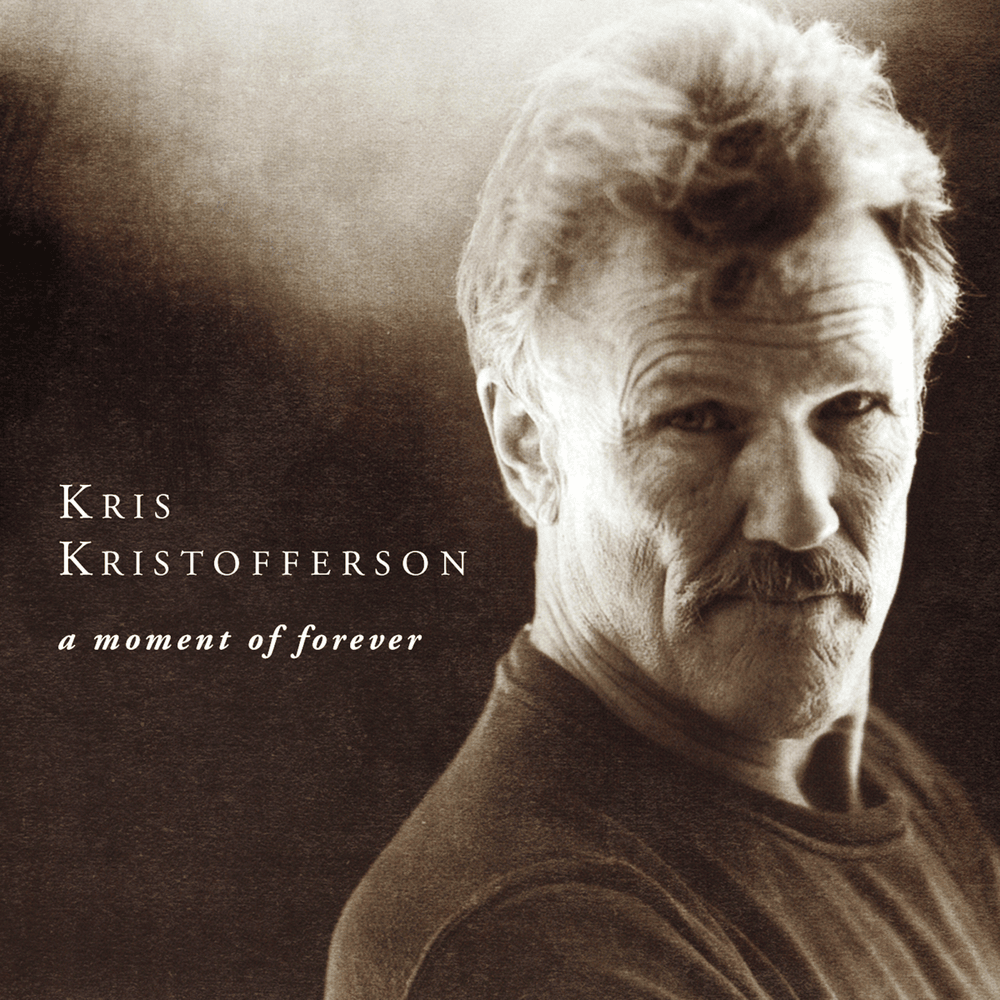
 View Artist