Song Meaning
The lyrics paint a stark picture of desperation and a yearning for escape, contrasting a harsh reality with an idealized vision of Michoacan. The opening lines immediately establish a sense of internal turmoil, with the border acting as a physical and psychological barrier. The narrator is haunted by past experiences, trapped in a grim present where "down in this hole in the ground there ain't nothing to see." This bleakness is amplified by the mention of illicit activities, "turning green into gold," suggesting a life of crime and its inevitable consequences.
The central tension lies in the stark dichotomy between the narrator's current predicament and the imagined sanctuary of Michoacan. This place is presented as a pure, untainted paradise, a stark counterpoint to the "bodies are bought and they're sold" north of the border. The promise of redemption and belonging is tied to this distant land, where "flowers bloom." The narrator's commitment to facing punishment, "pay for my crime till the day that I'm free," only serves to underscore the depth of their longing for this idyllic escape.
The most striking image is the narrator's perilous journey across the border in a "rusty car," carrying their few prized possessions: "two dogs my red guitar and my teenage bride." This intimate detail humanizes the narrator, revealing the personal stakes of their flight. The contrast between the grimy, dangerous act of crossing and the simple, almost tender inventory of their companions highlights the profound hope they place in finding a new life. The repetition of this scene, bookended by the promise of Michoacan, reinforces the dream as the driving force behind their actions.
Ultimately, the lyrics resonate because they articulate a universal desire for a fresh start, a place where one can "clean up my act and go back to where I belong." The writing masterfully uses the harsh realities of the border and the criminal underworld to amplify the allure of a peaceful, natural haven. The specific, almost tangible details of the narrator's possessions and their idealized vision of Michoacan make the emotional core of the song – the desperate hope for a better life – incredibly potent.
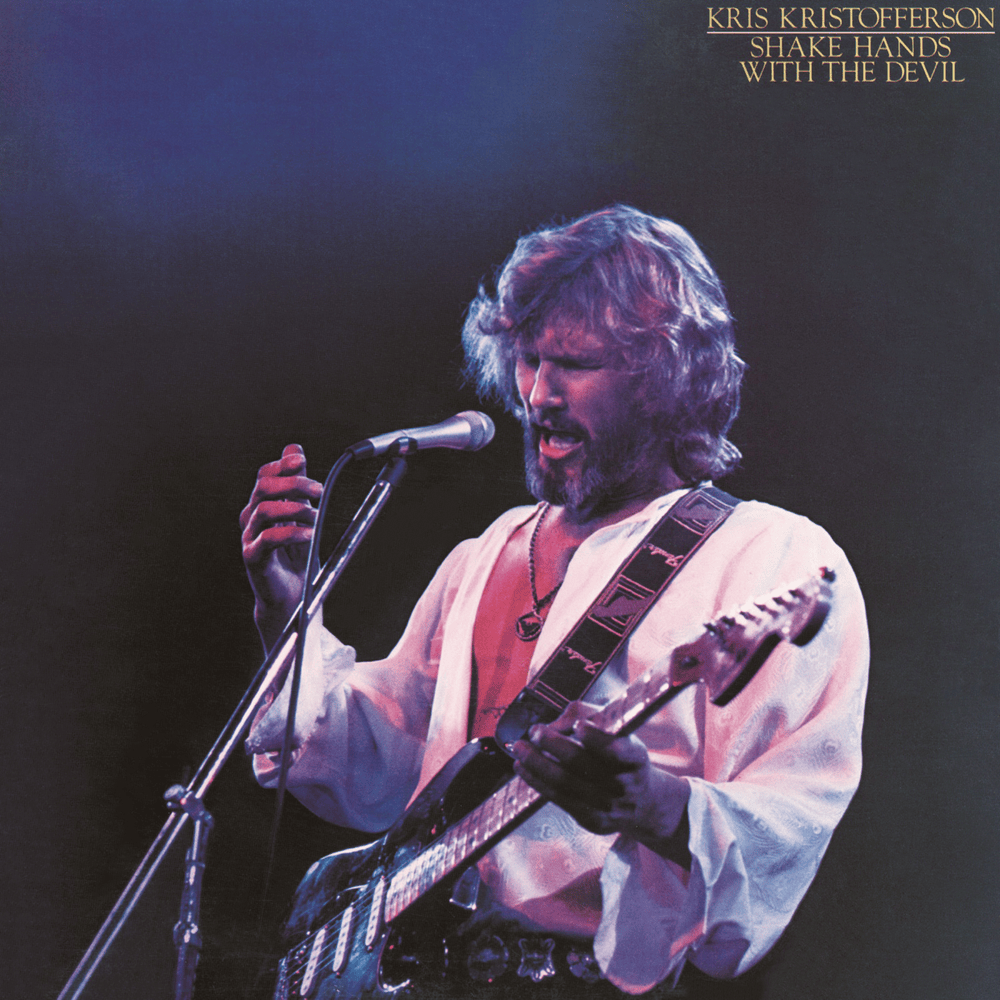
 View Artist