Song Meaning
The lyrics paint a stark picture of a lone, old soul pouring his heart out on a cold, dark corner, his powerful song unheard by the indifferent world. This opening sets a tone of profound isolation, yet the narrator insists, "I can still hear every word," suggesting a deep, personal resonance with the unheard melody. The central image is of a voice crying out into the void, a desperate plea for connection that seems to vanish into the sky.
The core tension lies in the contrast between the individual's earnest expression and the world's apathy, amplified by the chorus's call to action: "Let the walls come down / Let the love come through." This isn't just about personal catharsis; it's a plea for collective empathy and action. The lyrics then shift to a more direct, almost sermon-like address, urging mutual support: "Brother, help your brother in need." This section emphasizes that true change requires authentic self-commitment, stating, "If you can't be true to yourself / If you're looking for a miracle now / Buddy, you better be one."
The most striking aspect is the subtle evolution of responsibility in the chorus. Initially, it's "Well, it's up to you," a direct challenge to the listener. By the final chorus, this shifts to "It's up to me and you," a powerful inclusion that broadens the scope of agency. This small but significant change transforms the plea from an external demand to a shared undertaking, suggesting that breaking down barriers and fostering love is a collective endeavor, not just an individual burden.
Ultimately, the effectiveness of these lyrics stems from their blend of poignant imagery and direct, almost urgent, moral exhortation. The image of the unheard singer is deeply affecting, while the repeated calls to dismantle internal and external barriers resonate with a raw sincerity. The shift in the chorus from "you" to "me and you" is a masterstroke, grounding the grand ideals in a tangible, shared reality and making the call for change feel both personal and achievable.
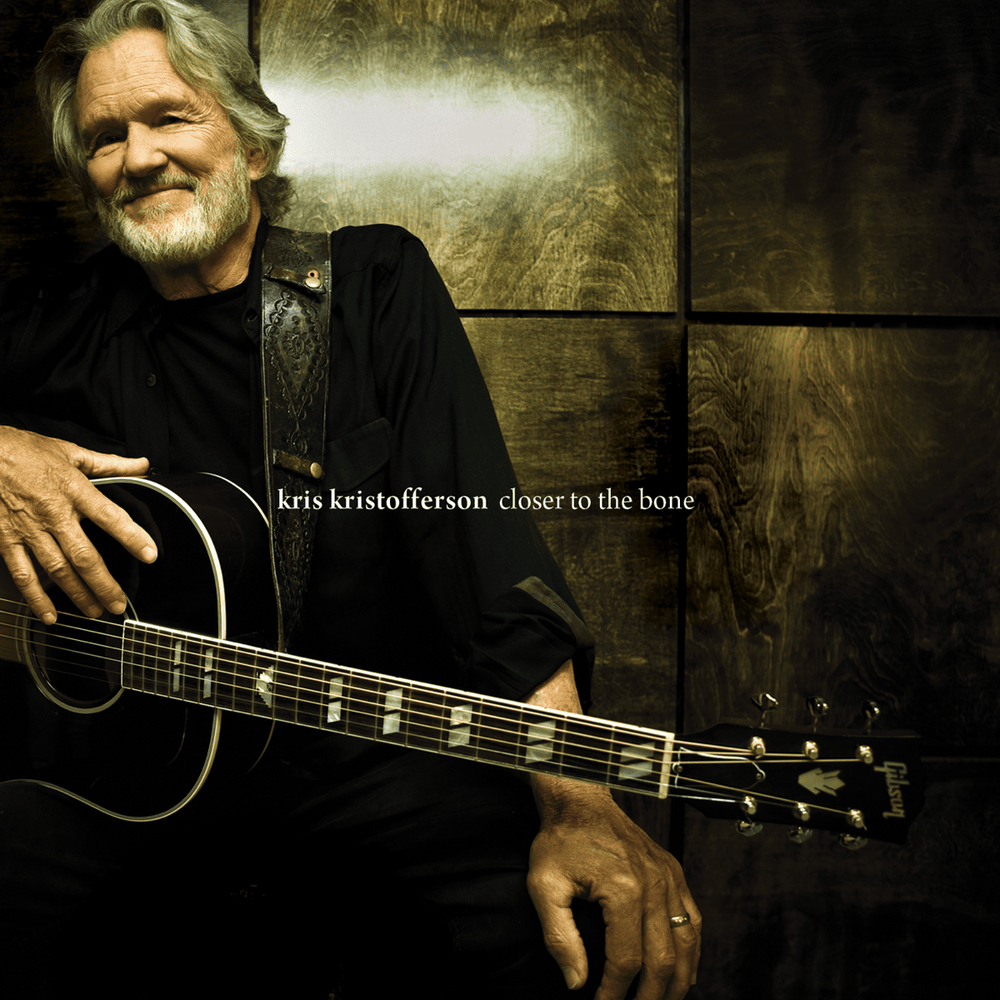
 View Artist