Song Meaning
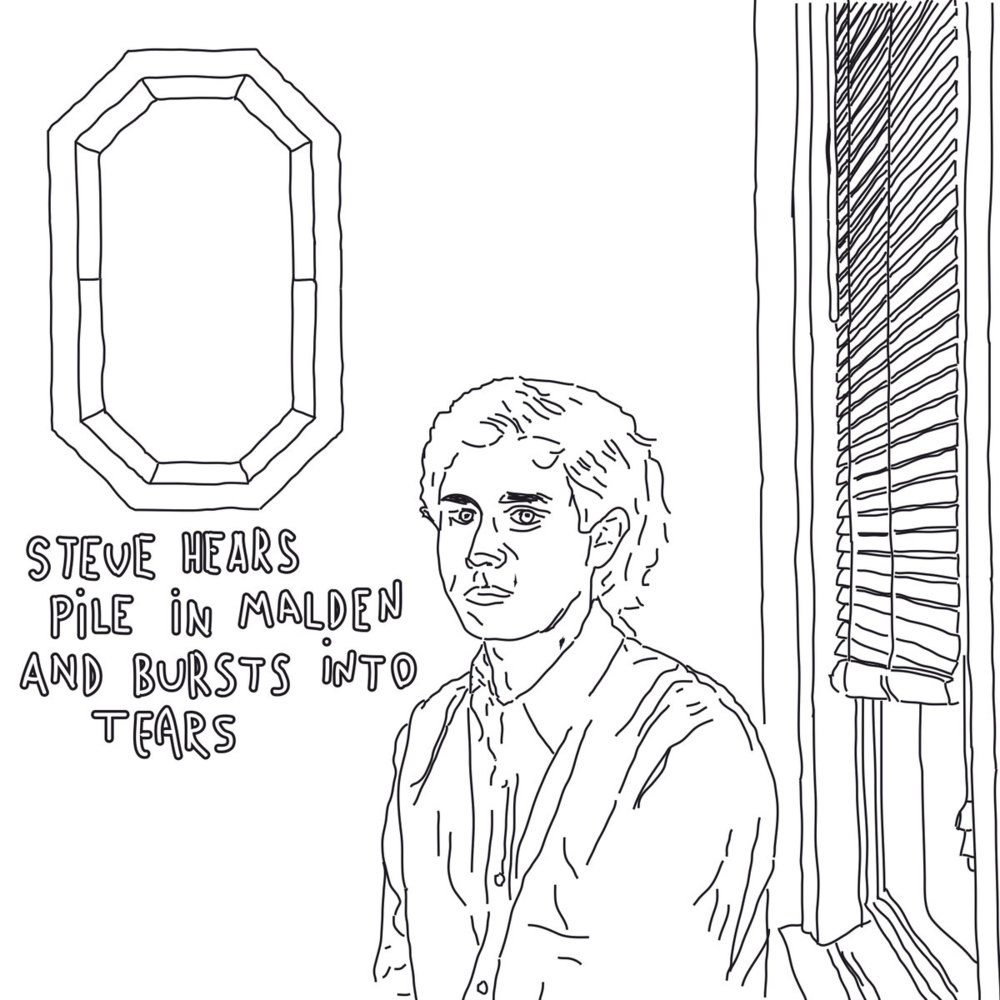
The lyrics paint a stark picture of internal struggle, beginning with a pervasive sense of melancholy, described as 'blue as a bruise.' This isn't just a fleeting mood; it's deepening, and the character Steve recognizes an impending, unwelcome shift. He's trapped in a cycle of knowing he needs to change but feeling utterly incapable of doing so, a frustration underscored by the rhetorical question: 'If he could, don't you think / He'd have changed it — / Changed it by now?'
The narrative then introduces another figure, 'Mouth,' whose state is described with a chilling 'gray as a brain' and a 'blood barrier breaking.' This suggests a more severe, perhaps physical or mental, deterioration. Mouth's movement on trains, a mundane action, contrasts with the intense internal crisis. Steve's desperate call to Mouth, asking, 'Mouth, do you / Think I'll change?' reveals the core of his despair: he's seeking external validation or perhaps a solution from someone who seems equally, if not more, compromised.
The most striking element is the dialogue that follows, where Mouth's response is a cryptic prophecy: 'Thou shall betray thee — / If you don't, don't you know / That it's gonna — / Gonna kill me.' This is a powerful, almost biblical-sounding warning, framing Steve's inaction not just as personal failure but as a self-destructive act that will have dire, fatal consequences, not only for Steve but seemingly for Mouth as well. The repetition of 'gonna kill me' emphasizes the inevitability and the shared doom.
What makes these lyrics so effective is their raw, unvarnished portrayal of paralysis in the face of self-destruction. The stark color imagery, the direct address, and the ominous prophecy combine to create a palpable sense of dread. The lyrics don't offer easy answers; instead, they leave the listener with the chilling implication that the inability to change is, in itself, a fatal flaw.
 View Artist