Song Meaning
The lyrics paint a poignant picture of a complex family dynamic, opening with a daughter's skeptical yet resigned observation of her mother's declaration to overcome lifelong self-hatred at 61. The narrator questions the 'means' and 'right' of this endeavor, hinting at a history of struggle or perhaps a lack of faith in the mother's ability to change. This initial doubt is quickly followed by a repeated, almost passive acceptance: "if God brings you joy / Then by all means go with God." The narrator seems to be wrestling with a desire to support her mother while simultaneously acknowledging the potential futility or the sheer difficulty of such a profound personal shift.
The central tension arises from the narrator's conflicting feelings of wanting to help and the apparent inability to do so, coupled with a subtle shift in perspective. The phrase "Oh do I feel like the Daddy of the world" is particularly striking, suggesting a reversal of roles or a burden of responsibility the narrator feels. When "Mommy says she wants out" and intends to take the kids, the narrator's primary concern becomes "what's best for them," echoing the earlier refrain of "if Mom brings them joy / Then by all means go with Mom." This highlights a deep-seated protectiveness and a weary resignation to the mother's choices, even if they are disruptive.
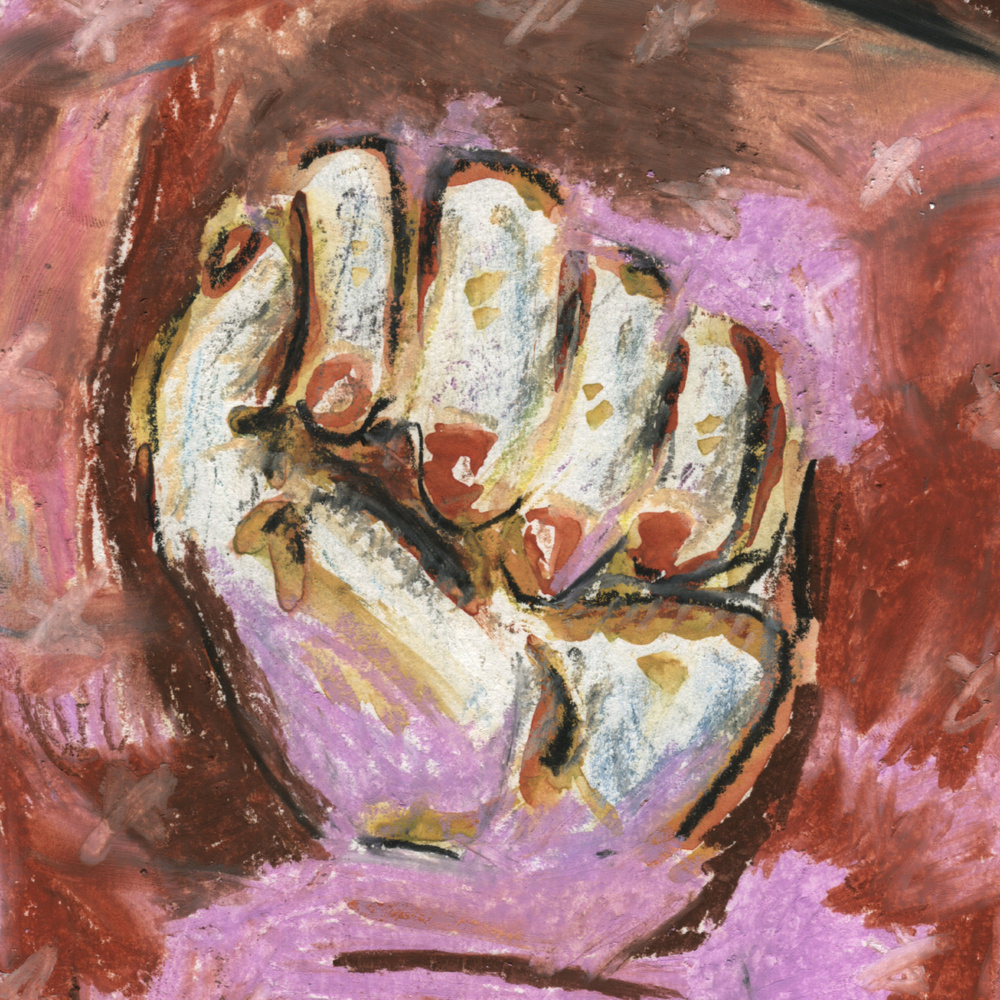
The most compelling aspect of the writing lies in the stark contrast between the earlier, more confrontational tone and the final stanza's plea for vulnerability and peace. The narrator shifts from questioning her mother's self-improvement claims to a direct, intimate appeal: "Unclench your jaw / And open your mouth to me." The desire to move away from "brutal songs" towards "something sweet" and the image of a "Fist opens wide / All is soft palm and freedom now" suggests a yearning for genuine connection and healing. It seems the narrator is offering a path toward reconciliation, acknowledging that "You've seen every part of me" and proposing a future built on openness rather than past resentments.
Ultimately, these lyrics resonate because they capture the messy, often unspoken emotional undercurrents within families. The narrator's journey from doubt and passive observation to a hopeful, albeit tentative, offer of connection is what makes the piece so affecting. The careful use of repetition, particularly the "Why would I stop you?" refrain, underscores a sense of powerlessness that gradually gives way to a desire for authentic communication and emotional release, making the final lines feel earned and deeply moving.
 View Artist