Song Meaning
The lyrics paint a picture of utter chaos and personal disintegration, set against a backdrop of societal and political turmoil. The opening lines immediately establish a sense of unease and impending doom: "Ртуть под ковриком, туз на мизере" (Mercury under the rug, ace on the deuce) suggests hidden danger and a losing hand, while "Холод в доме, в пампасах война" (Cold in the house, war in the pampas) juxtaposes domestic decay with distant conflict. The jarring image of "Доктор Геббельс в телевизоре" (Doctor Goebbels on TV) anchors the unease in a historical context of propaganda and destruction, amplified by the personal betrayal of "А в постели — чужая жена..." (And in bed – a stranger's wife...). The narrator's desire to escape, to "летать высоко" (fly high), is immediately thwarted by the mythic theft of his wings by Icarus, a potent symbol of ambition leading to ruin.
The core of the song lies in the narrator's desperate attempt to rationalize his overwhelming distress. The repeated "Может быть" (Maybe) in the chorus cycles through mundane explanations like "совпадение" (coincidence), "хандра" (melancholy), and "перепил вчера я" (I drank too much yesterday), before escalating to the extreme of "сошёл с ума" (I've lost my mind). This builds to the final, almost resigned, possibility: "А может быть, это силы небесные / Возмущаются..." (And maybe it's the heavenly powers / That are indignant...). This suggests a feeling of being punished or judged by forces beyond his control, a cosmic retribution for his perceived failings.
The second verse deepens this sense of entrapment and aggression, placing the narrator in an "изоляторе" (isolation ward) with a "огрызок Луны" (moon sliver) as his only companion. The vague threat from "провокаторы" (provocateurs) fuels his desire for destructive action, to "устроить им ад / Спалить всё к чертям" (make them a hell / Burn everything to hell). However, like his desire to fly, his destructive impulse is also stolen, this time by Herostratus, the arsonist who burned the Temple of Artemis. This parallel reinforces the theme of thwarted agency and the inability to even enact meaningful destruction, leaving him powerless and perhaps even more desperate.
Ultimately, these lyrics resonate because they articulate a profound sense of being overwhelmed and out of control, both personally and by external forces. The juxtaposition of grand historical/mythic figures with intimate domestic collapse, coupled with the narrator's repeated attempts to find a rational explanation for his suffering, creates a powerful portrait of psychological breakdown. The craft lies in the stark, often brutal imagery and the cyclical questioning of the chorus, leaving the listener with a chilling sense of helplessness and existential dread.
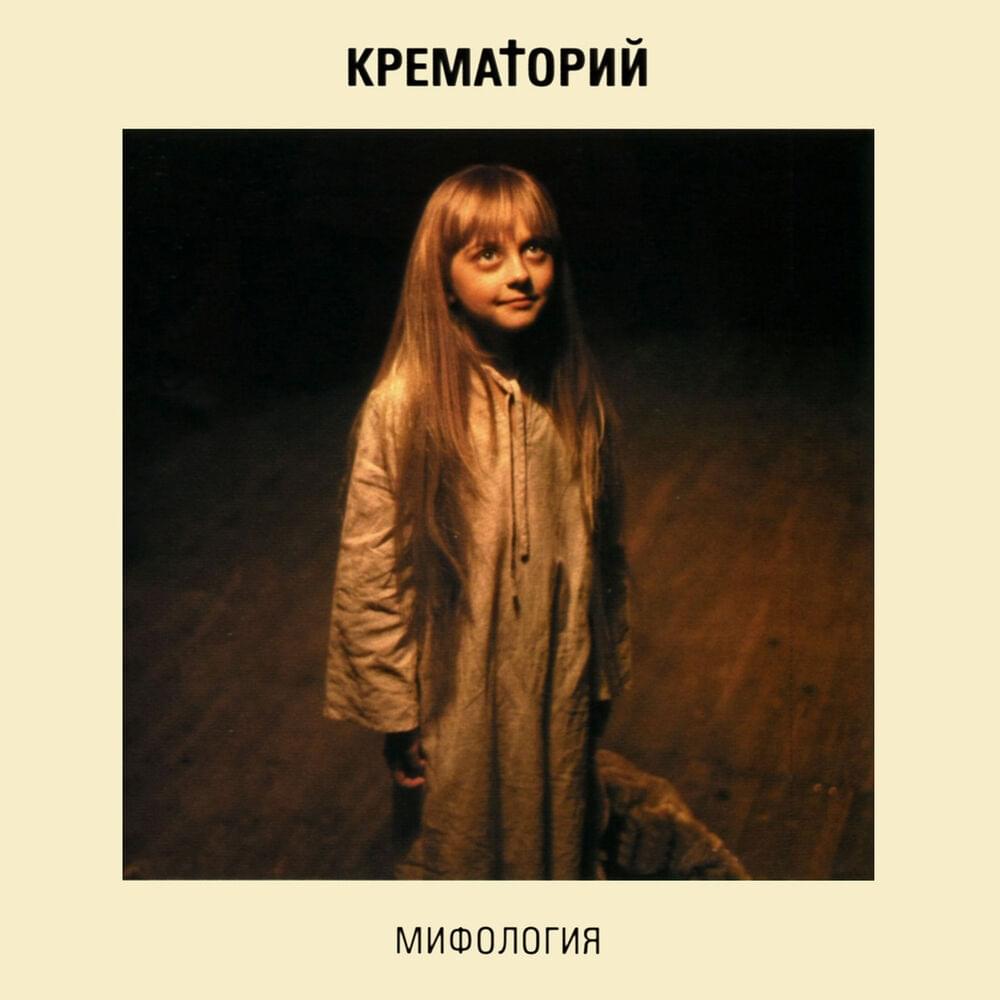
 View Artist