Song Meaning
The lyrics paint a visceral picture of intense psychological distress, using stark, almost surreal imagery to convey a feeling of being trapped and tormented. The opening verse immediately establishes a sense of confinement, where being "locked in thick walls" unleashes a violent hallucination. This isn't just discomfort; it's a brutal, physical assault by a "fugitive oligophren" who "cuts with a razor and pours lead down the throat," a nightmarish manifestation of internal torment.
The second verse shifts to a disturbing, cyclical nightmare involving "old women" and a morgue, suggesting a morbid dance with death or decay. The narrator attempts to break free from this "vicious circle" at dawn, only to lead them to a place of finality, where they are claimed and met with a "funeral march." This sequence amplifies the feeling of inescapable dread, where even attempts at escape lead back to a grim, communal fate.
The third verse introduces a more intellectualized, yet equally terrifying, element. The mention of "Wolfgang Mozart" and a "mortal sentence" from an "immortal chord" suggests a grand, perhaps artistic or intellectual, pronouncement of doom. The "white flowers" and being sent to a "hee-hee house" (likely a psychiatric institution) further solidify the narrator's descent into a state of profound mental anguish and isolation, where even gestures of peace are twisted into a final surrender.
Ultimately, the repeated, almost chanted "Claustrophobia, claustrophobia... I fear walls, I fear walls" anchors the entire experience. The lyrics masterfully use extreme, almost Dadaist imagery to externalize an internal state of panic and confinement. The effectiveness lies in its refusal to offer comfort, instead plunging the listener into the raw, terrifying experience of a mind under siege, where every perceived escape leads deeper into a suffocating dread.
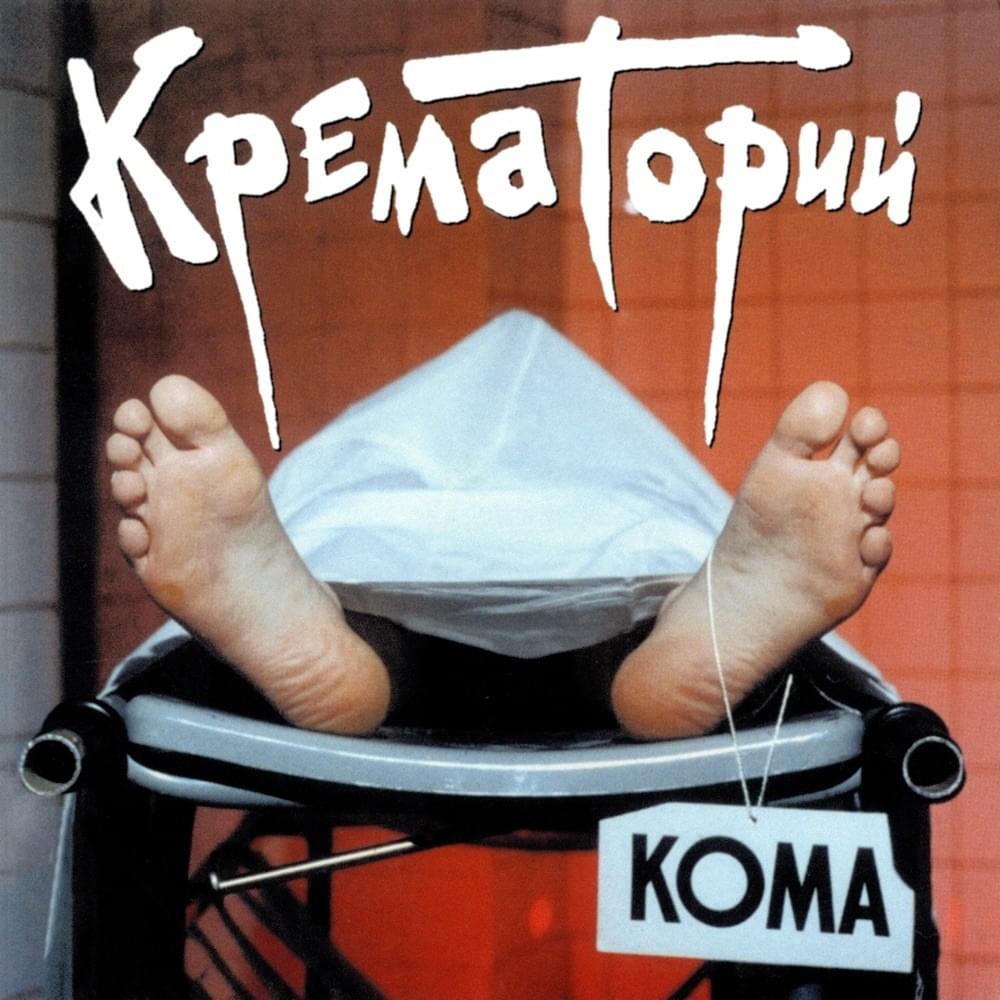
 View Artist