Song Meaning
The lyrics paint a picture of a lost, almost mythical entity called "youth." It’s presented as something that once existed, perhaps in a pristine or sacred place, but its trail vanished "years ago behind holy mountains." This sets a tone of wistful remembrance and profound absence. The repeated phrase "Your youth" emphasizes a sense of ownership or a specific, personal connection to this lost state, making the loss feel individual rather than abstract.
The core tension lies in the futile, persistent search for this vanished youth. The narrator and others have looked "for ages," "looking and looking," yet they remain unable to find or see it. This act of looking, described as "pulling every direction," paradoxically leads to further loss, suggesting that the very attempts to grasp or define youth might cause it to slip away. The idea that "not one side of you remained unpulled" implies an exhaustive, perhaps even destructive, effort to reclaim it.
The most striking aspect of the writing is the relentless repetition of "You were you, youth." This refrain transforms youth from a mere concept into an inherent, self-defined being. It’s not just a period of life; it’s an identity that existed fully and authentically. The repetition underscores the irretrievable nature of this state – it was what it was, and now it’s gone, unrecoverable by any external force or effort.
This lyrical approach creates a powerful emotional resonance by externalizing a common human experience of longing for lost time. The abstract concept of youth is given a tangible, albeit absent, presence. The focus on the act of searching and the ultimate futility of it, combined with the declarative, almost mournful chorus, captures the ache of looking back at a past that can no longer be touched or understood, only remembered as a memory of its own self-contained existence.
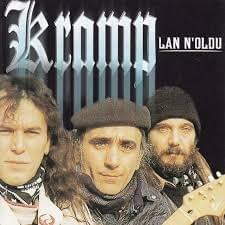
 View Artist