Song Meaning
The lyrics paint a surreal, almost Gnostic, vision of ascent and sanctuary. A "chapel ascends" not in physical space, but through "lessening frequencies," suggesting a spiritual or psychic elevation. This ascent is visceral, described as "wretching living fluids," hinting at a difficult, perhaps painful, purification or birth. The imagery then shifts to a strange, almost pagan reverence for a "second savior hawk" and a "reddened spine of colony serpent," figures that feel both ancient and alien, hinting at primal forces or forgotten deities.
The core tension seems to lie between a desire for escape and the persistent threat of confinement or destruction. The "soul consuming time teeth" and the ability to "travel centuries of non(-space)" suggest a yearning to transcend temporal and spatial limitations. Yet, this is juxtaposed with the need to "place the chapel / Where walls can't hurt," indicating that even in this elevated state, the narrator seeks refuge from an oppressive or damaging external reality. The "doubt crumbles the idols" and "years threaten smother" further emphasize this struggle against forces that seek to diminish or destroy.
The most striking craft element is the juxtaposition of the sacred and the grotesque, the cosmic and the biological. The "chapel" is a place of worship, but its ascent involves "wretching living fluids." The "colony serpent" evokes both a primal, possibly dangerous, entity and a sense of collective, perhaps suffocating, existence. The phrase "soul consuming time teeth" is a potent, unsettling metaphor for the destructive passage of time, while "torch the waters" suggests a radical, perhaps desperate, act of purification or creation. The final image, "threading wear," is ambiguous but implies a laborious, ongoing process of mending or navigating.
Ultimately, these lyrics resonate through their creation of a deeply unsettling yet compelling internal landscape. The abstract, almost hallucinatory imagery forces the listener to confront abstract concepts like time, space, and salvation through a lens of visceral, bodily experience. The effectiveness lies in its refusal to offer easy answers, instead presenting a complex, fragmented vision of spiritual struggle and the desperate creation of meaning in the face of existential threats.
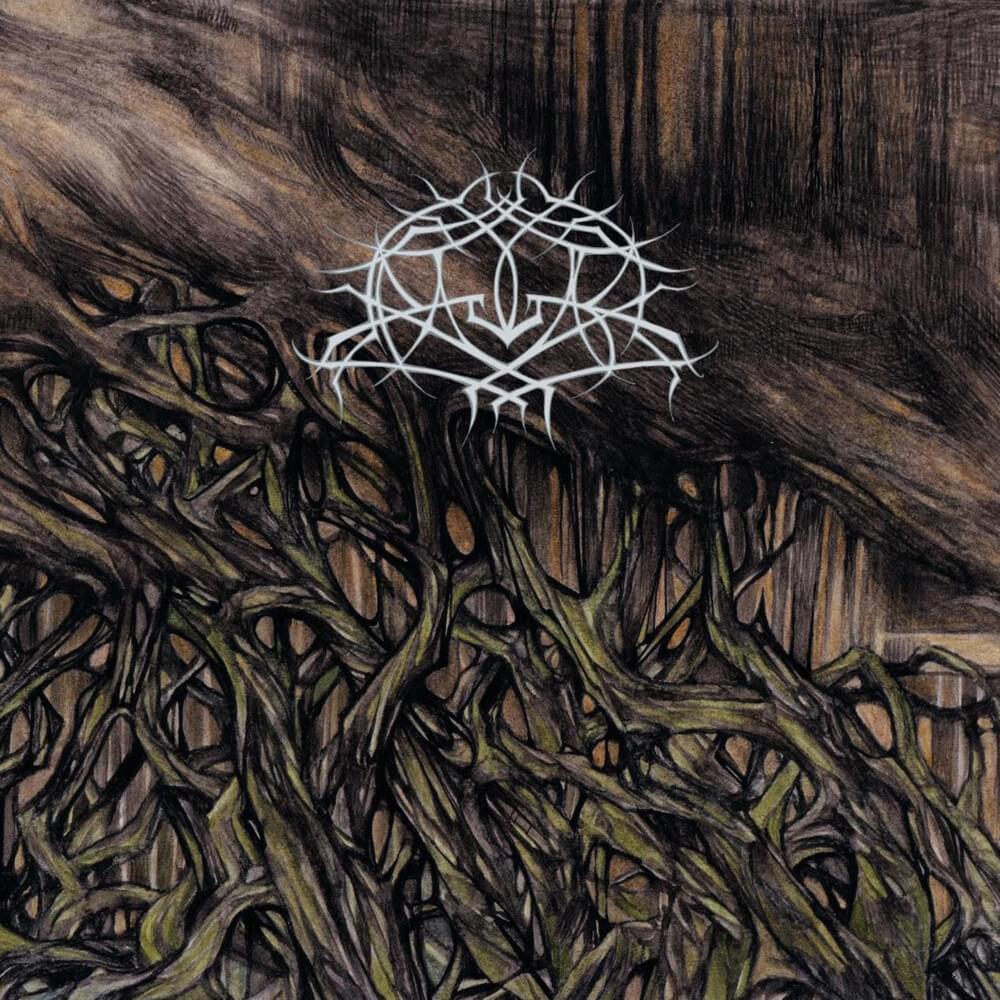
 View Artist