Song Meaning
The lyrics paint a stark, almost elemental picture of a preserved state being violently disrupted. There's a sense of something ancient or dormant, "meant to rest longer still," being forcibly awakened by "deep fires." This initial image is unsettling, suggesting a natural order being overturned, especially with the chilling detail of "where animals burn." The scene shifts to a high, desolate place, "atop the pierced peaks," where the very agents of renewal, "frost and spores," are introduced. This juxtaposition of cold, sterile elements with the promise of life creates an immediate tension.
The core conflict here seems to be the paradoxical nature of existence itself, particularly the idea that "life that must kill to survive." The narrator grapples with this, labeling it "an evil form of life, if such things exist." This isn't a simple celebration of nature's resilience; it's a confrontation with its inherent brutality, questioning the very definition of good and evil when survival necessitates destruction. The lyrics suggest that the arrival of life, even when heralded by seemingly benign "frost and spores," is intrinsically tied to a violent imperative.
The most striking aspect is the narrator's hesitant, almost philosophical questioning of the morality of this life cycle. The phrase "if such things exist" casts doubt not on the existence of life, but on the applicability of human moral judgments to natural processes. It's a subtle but powerful way to frame the inherent violence of nature as something that perhaps transcends our understanding of good and evil, or at least challenges our anthropocentric view of it. This careful phrasing invites the listener to ponder the same uncomfortable questions about necessity and morality.
Ultimately, these lyrics resonate because they tap into a primal unease about the origins and costs of life. The stark imagery and the narrator's hesitant moralizing create a disquieting yet profound reflection on the brutal, often paradoxical, foundations of existence. It forces us to look at the arrival of life not just as a miracle, but as a consequence of a relentless, consuming force.
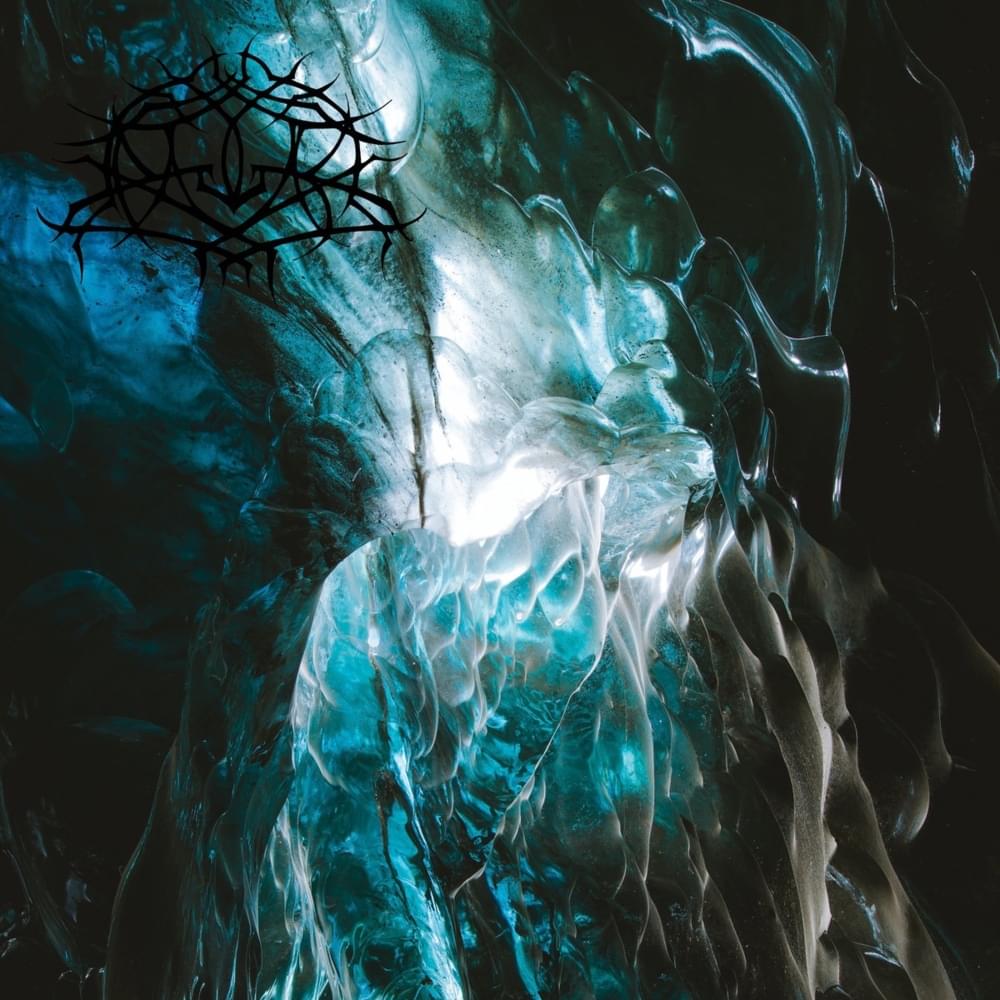
 View Artist