Song Meaning
The lyrics paint a grim, almost cosmic picture of divine cruelty and human suffering, suggesting a universe where even forgiveness is tainted or absent. The opening lines immediately establish a tone of predestined suffering, with "fate's angelic crusades" seemingly orchestrating pain, not salvation. This divine "jealousy" is presented as the motive for inflicting "lashings" and demanding "inservitude," creating a stark contrast between the supposed glory of gods and their harsh, punitive actions.
The imagery shifts to a visceral, almost biological decay, describing "lavabeds crushed in mercurial bone" and "grey blood of ancient dressing." This suggests a deep, ingrained corruption or a primal, elemental suffering that stains everything, even the "elder ripe." The language feels both ancient and alien, hinting at a rot that is fundamental to existence, rather than a temporary affliction.
The core tension emerges in the idea of "forgiveness in rot," particularly the line "No god forgives." This directly challenges the concept of divine absolution, implying that any perceived forgiveness is either a delusion or a perversion. The act of "blaspheme" in "christening" suggests a ritualistic destruction of innocence or purity, leading to "emotional waste" and a forced numbness, rather than true healing.
Ultimately, the lyrics seem to argue that true solace or resolution is found not in divine grace, but in a grim acceptance of harsh realities. The idea of "honour in conquer" and finding "patience within bleaker dimensions" suggests a stoic endurance in the face of overwhelming, perhaps divinely ordained, suffering. The writing crafts this bleak outlook through stark, unsettling imagery and a direct confrontation with traditional notions of divine mercy.
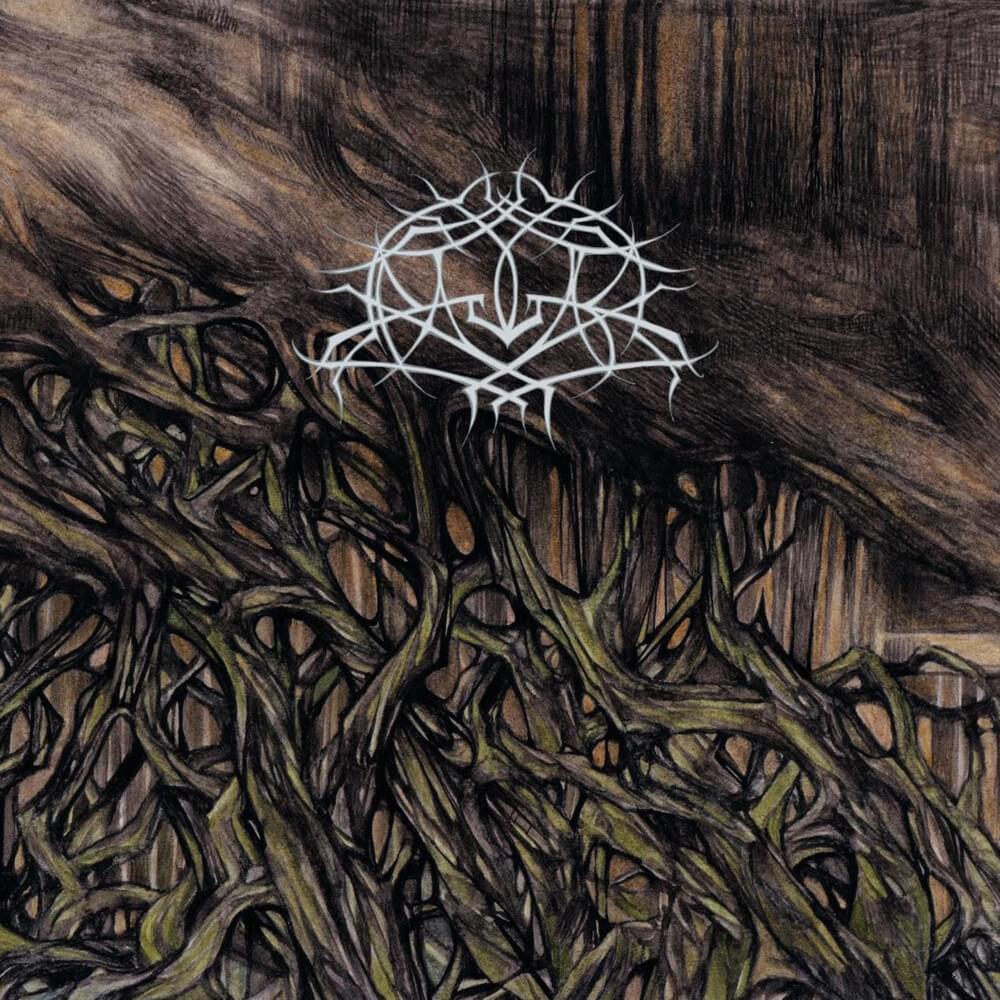
 View Artist