Song Meaning
The lyrics paint a grim picture of dealing with death, not as a natural end, but as a gruesome, almost industrial process. The opening verse describes a body being dismembered and liquefied, then transported back to the living for a "ceremonial closure." This immediately sets a tone of profound unease, suggesting that the rituals surrounding death are a way to process something deeply disturbing and unnatural.
The central tension lies in the contrast between the brutal physicality of decay and the human need for psychological comfort. The narrator seems burdened by the task of handling this "carrion," implying a forced participation in a system that sanitizes death for the sake of the living. The act of carrying the remains back for others' well-being highlights a disturbing disconnect between the reality of death and societal expectations.
The imagery of digging and anticipation in Verse 2, coupled with the description of a "botched ground, ice and stone" in Verse 3, creates a sense of futility and struggle against an unforgiving environment. The idea of a "burial above ground in a stone pod" cemented shut feels like a desperate attempt to control the uncontrollable, to impose order on the chaos of mortality. This method of entombment, "left to rot," ironically mirrors the initial description, suggesting that even these elaborate measures offer no true escape from decay.
Ultimately, these lyrics are effective because they confront the listener with the visceral, unsettling aspects of death that are often hidden. The stark, unflinching language and the focus on the physical decomposition, juxtaposed with the hollow rituals of closure, create a powerful sense of dread and a questioning of how we collectively manage the end of life. The writing forces a reckoning with the uncomfortable realities that lie beneath our attempts at peace.
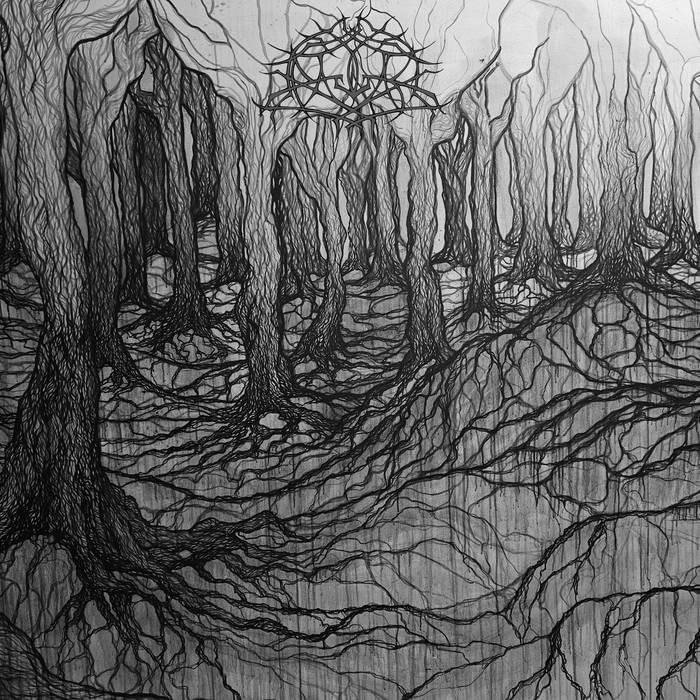
 View Artist