Song Meaning
The lyrics paint a stark picture of a world dominated by global institutions and abstract concepts. The repeated pairing of "Interpol and Deutsche Bank" with "FBI and Scotland Yard" immediately establishes a sense of omnipresent, interconnected power structures. These are not local concerns but vast networks of finance and law enforcement, suggesting a world where every transaction and every movement is potentially monitored or controlled by these entities. The sheer repetition of these names creates a feeling of inescapable, almost monotonous, surveillance and regulation.
The core tension arises from the juxtaposition of these powerful, impersonal organizations with the basic elements of human activity: "Business, numbers," "Money, people." This suggests that the human experience, the very fabric of society, is being reduced to quantifiable data points and financial transactions within this "computer world." The shift in the final pre-chorus to "Time, travel," "Communication, entertainment" further emphasizes how even leisure and connection are now framed within this digital, data-driven paradigm. It implies a world where efficiency and information processing have superseded genuine human interaction or spontaneity.
The most striking aspect of the craft here is the relentless, almost hypnotic, repetition. The "Computer world" refrain acts as a mantra, reinforcing the central theme with an unyielding insistence. This isn't a narrative with a plot; it's an atmospheric immersion into a specific, chilling vision. The stark, unadorned listing of names and concepts, devoid of emotional adjectives or personal pronouns, amplifies the sense of cold, mechanical control. The lyrics don't tell a story; they build a sonic and conceptual landscape that feels both vast and suffocating.
This lyrical approach is effective because it bypasses explicit emotional appeals and instead creates a visceral feeling of being overwhelmed by systems. The lack of specific detail forces the listener to project their own anxieties about technology, globalization, and corporate power onto the framework provided. The sheer force of the repetition makes the idea of a "computer world" feel not just present, but inevitable and all-encompassing, leaving a lingering sense of unease about where human agency truly resides.
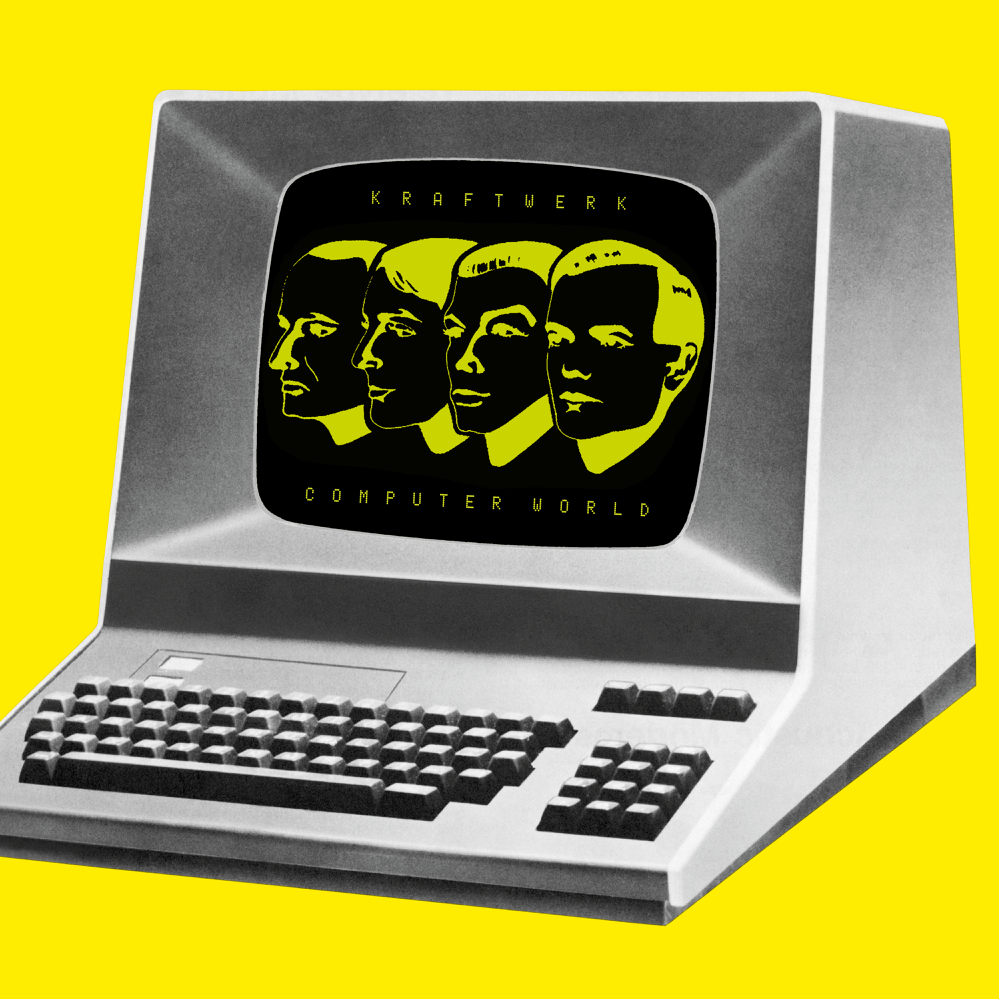
 View Artist