Song Meaning
The lyrics paint a picture of a relationship that began with apparent clarity and ease, but quickly devolved into confusion and betrayal. Initially, the narrator perceived the other person as open and predictable, like a "book" or a "clock." This initial perception, however, shatters as the relationship takes a "cursed and reversed" turn, with the narrator feeling the other person's actions are now directed against them. The shift suggests a deep-seated deception, where the initial openness was perhaps a facade.
The central tension arises from this dramatic reversal, leaving the narrator feeling used and misunderstood. The repeated phrase "You take chances with me" underscores a feeling of being subjected to unpredictable and potentially reckless behavior. This isn't about shared risk; it's about the other person's actions impacting the narrator, especially when coupled with the accusation of being "less lealty." The narrator seems to be grappling with a partner who is not only disloyal but also seems to be living out a narrative that excludes or even exploits them.
A striking element is the recurring motif of being "starred in a movie / That was all about me" and later "Stopped in a movie that is all about me." This suggests a feeling of being trapped in a performance or a narrative orchestrated by the other person, where their own reality is secondary or even erased. The contrast between the initial ease and the later "twisted" state, coupled with the feeling of suffocation, highlights the emotional cost of this perceived manipulation. The narrator's plea to "give me room to be" reveals a desperate need for autonomy amidst this overwhelming dynamic.
Ultimately, the effectiveness of these lyrics lies in their portrayal of a relationship's unraveling through vivid, if somewhat fragmented, imagery. The shift from simple comparisons like "like a clock" to the disorienting "movie" metaphor creates a palpable sense of unease and betrayal. The repetition of "You take chances with me" acts as a refrain of helplessness, emphasizing the narrator's passive role in a relationship that feels increasingly out of control and lacking in genuine connection.
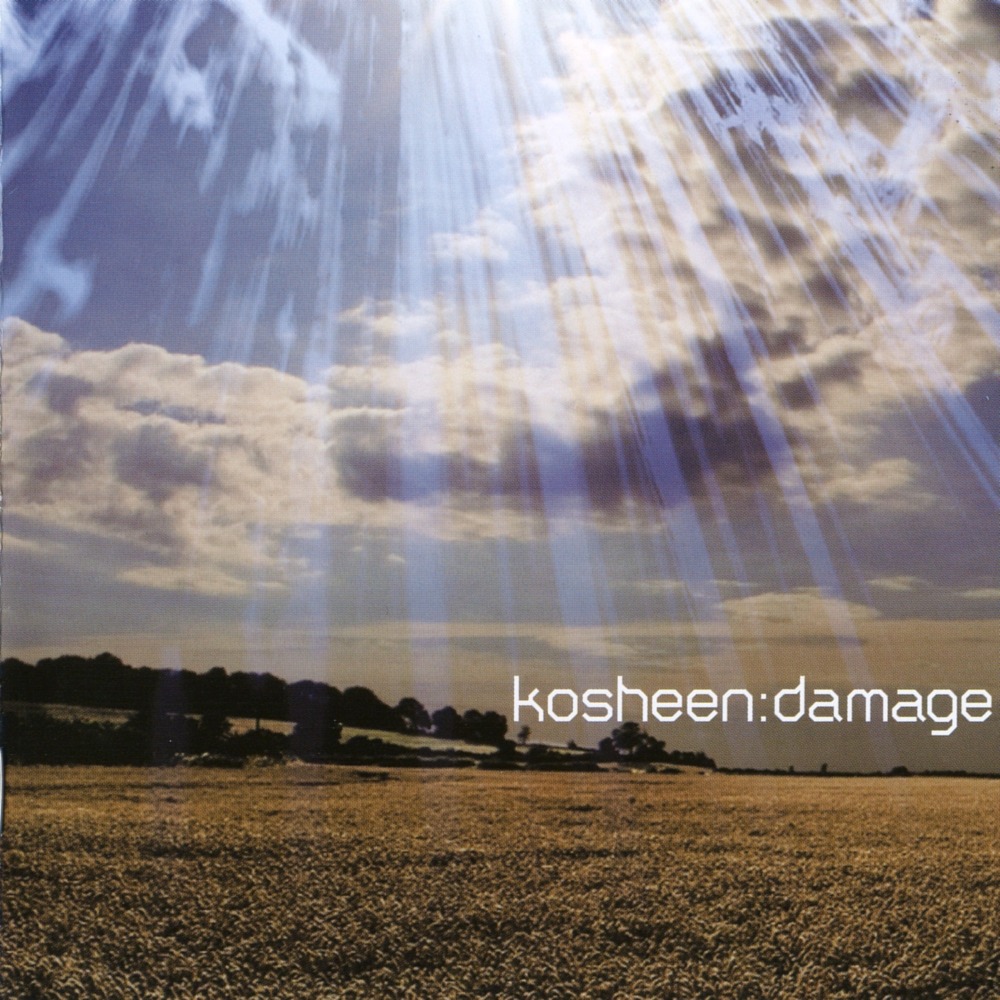
 View Artist