Song Meaning
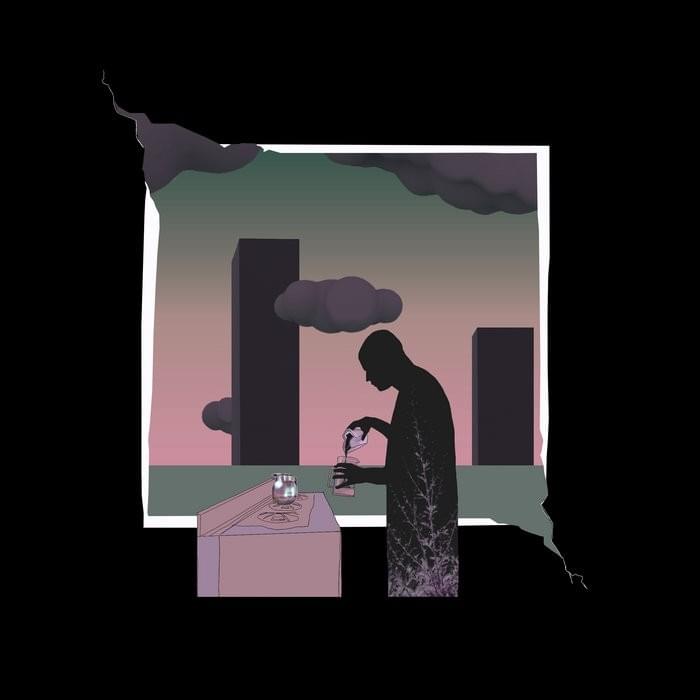
The narrator paints a picture of a relationship where one partner craves security and closure, symbolized by closed doors, while the other seems to embrace chaos and anticipate a dramatic end. This contrast is stark: "Tu veux jamais qu'on dorme avec les portes ouvertes" sets up a tension with the other's almost eager anticipation of "la fin du monde comme on espère une bonne nouvelle." It’s a fascinating dynamic, suggesting a fundamental difference in how they face life and its potential conclusions.
The lyrics reveal a narrator who has clearly navigated a tumultuous personal past. They speak of "avancé dans le noir sur des chemins douteux" and drowning "mémoire et mes remords dans du vin mousseux," indicating a history of self-destructive behavior or difficult experiences. Yet, despite this darkness and getting "perdu le nord," a core resilience remains, a "flamme" that the narrator insists "jamais rien qui éteint." This internal fire is presented as more valuable than external validation, as they claim to fear "la mort que de perdre des followers."
The most striking element is the repeated refrain, "Si c'était la fin du monde ce serait pas la fin du monde." This phrase, uttered in the face of potential apocalyptic scenarios, transforms the idea of an ending. It suggests that within the intimacy of the relationship, specifically when sheltered with their partner, even the ultimate end would feel manageable, perhaps even peaceful. The partner's features are described with natural, almost idyllic imagery – "deux printemps," "un soir d'orage," "un bord de plage" – creating a sanctuary against the narrator's internal turmoil and the external threat of the world's end.
Ultimately, the effectiveness of these lyrics lies in their ability to juxtapose profound personal struggle with a quiet, intimate solace. The repeated, almost mantra-like chorus offers a powerful counterpoint to the narrator's past recklessness and the looming existential dread. It suggests that true safety isn't in avoiding the end, but in finding a connection so profound that even the "fin du monde" becomes a shared, perhaps even acceptable, experience.
 View Artist