Song Meaning
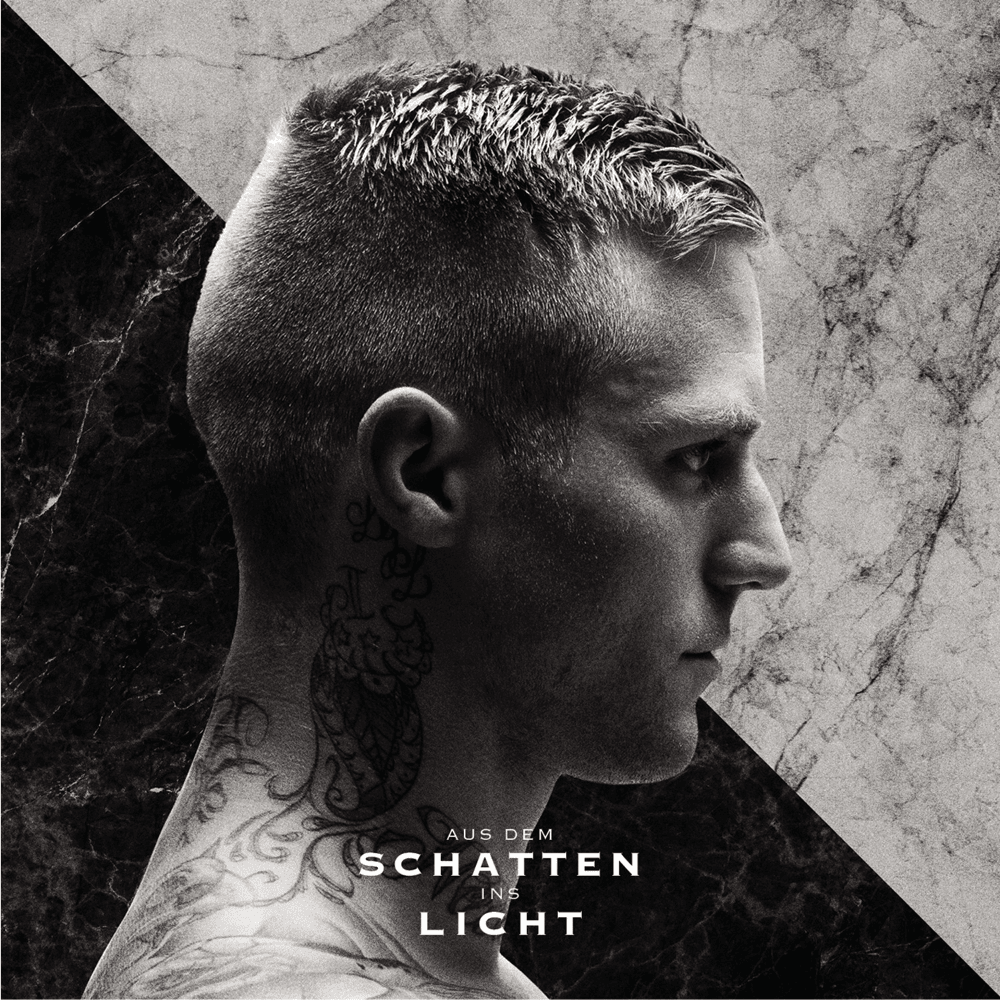
Kontra K's "ERIC DRAVEN" (as sourced from "Aus dem Schatten... (Intro)") functions as a stark, unflinching self-portrait painted in the hues of trauma and resilience. The song, despite its brevity, encapsulates a journey through darkness, not as a passive observation, but as a lived experience etched into the very core of the artist's being. The opening lines immediately plunge the listener into a world where vision fails, a "deepest darkness" that mirrors an internal landscape of despair. Kontra K doesn't shy away from detailing the sources of this darkness, alluding to "Familiendramen, Räubergeschichten, Drogendelikten," a litany of societal ills and personal struggles that have shaped his perspective.
The recurring motif of the "Schatten" (shadow) serves as a powerful metaphor for the inescapable past and the ever-present burden of memory. It's not just a literal shadow, but a psychological one, a constant companion that witnesses every triumph and failure. The lyrics hint at wasted potential and a yearning for escape, "Wollte einfach nur noch weg, viel zu schwer war sein Gepäck," suggesting a desire to shed the weight of past mistakes and inherited traumas. This burden is a common theme in narratives of overcoming adversity, the struggle to reconcile oneself with a history marked by pain.
However, the song doesn't wallow in self-pity. Instead, it offers a glimmer of hope, a hard-earned wisdom gleaned from navigating the depths of despair. The line, "Die besten Diamanten findet man nur unter tausend Tonnen Dreck," encapsulates the central message: that profound growth and beauty can emerge from even the most wretched circumstances. This transformation isn't presented as a simple or easy process, but as a continuous journey, underscored by the hook's assertion that the shadow, the past, will always remain. The acknowledgement of the ever-present shadow, both a reminder of pain and a testament to resilience, is the core of the song's meaning. It suggests that true strength lies not in erasing the past, but in integrating it into the present, accepting the shadow as an intrinsic part of the self.
 View Artist