Song Meaning
The lyrics paint a picture of a profound separation, where a once-shared reality has fractured. There's an immediate sense of unease, a "tension in the streets" that mirrors an internal conflict. The narrator describes a "windless waking dream," suggesting a state of suspended animation or unreality, perhaps a passive observation of events unfolding. The phrase "a play to take the things that we knew" hints at a deliberate, perhaps manipulative, act that has dismantled their shared world.
The central tension lies in the narrator's desperate attempt to reconnect or reclaim what's lost, contrasted with the irreversible passage of time and memory. The repeated question, "Can you hear me now?" underscores a feeling of being unheard or disconnected, while the acknowledgment of "pressures rise" suggests external forces contributing to this estrangement. The narrator grapples with the impossibility of returning to the past, lamenting, "Is there a way to get it back? If I only knew."
The most striking craft element is the recurring motif of "worlds drift away," amplified by the stark imagery of "pictures in a frame." This contrast highlights the transformation of lived experiences into static, untouchable memories. The shift in the chorus from "I can see now, you" to "there is only, you" suggests a narrowing focus, where in the face of this loss, the absent person becomes the sole, albeit distant, point of reference. The world itself seems to have dissolved, leaving only the ghost of a connection.
Ultimately, the effectiveness of these lyrics stems from their evocative portrayal of loss and the quiet desperation that follows. The language creates a palpable sense of distance and finality, transforming abstract concepts like memory and separation into tangible, albeit fading, images. The narrator's yearning, coupled with the resigned acceptance of these "worlds" becoming mere "pictures," resonates with the universal experience of watching cherished realities recede into the past.
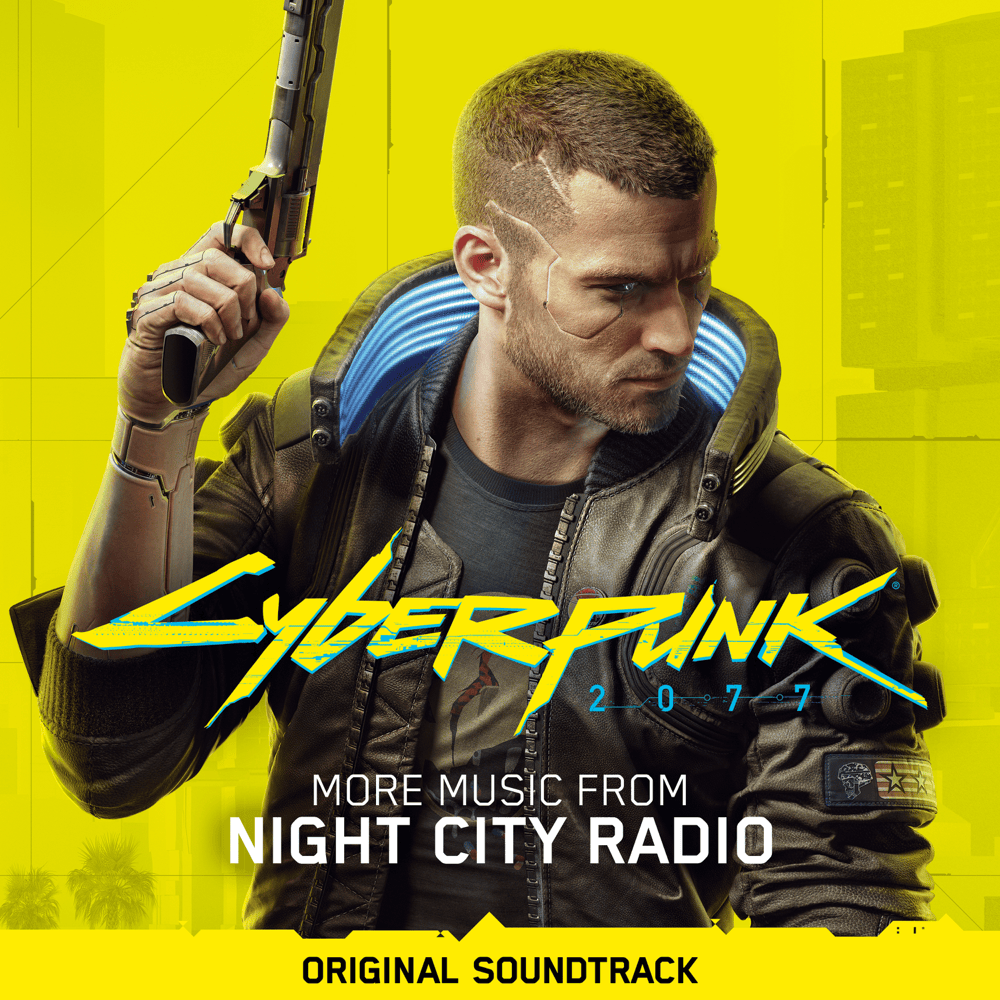
 View Artist