Song Meaning
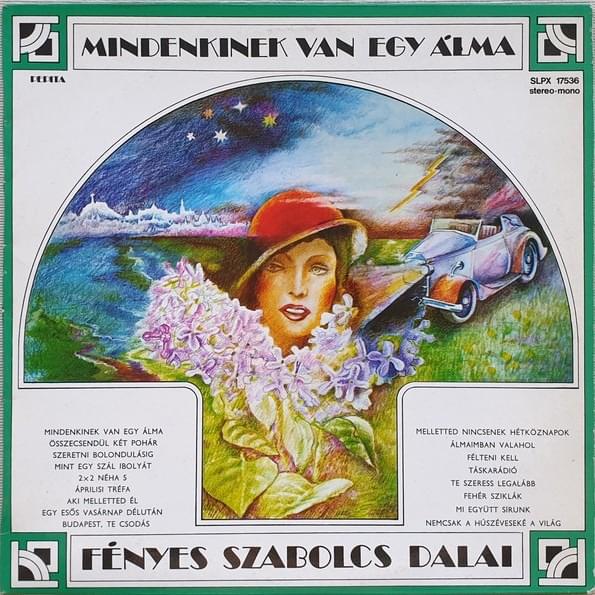
This song opens with a stark, almost desperate plea for connection, immediately establishing a tone of profound loneliness. The narrator feels misunderstood, stating, "Aki megért, senki sincs talán" (If anyone understands me, maybe there's no one). This sets up the central, repeated refrain: "Te szeress legalább!" (At least you love me!). The arrival of evening, "Estefelé rám tör a magány" (Towards evening, loneliness breaks upon me), amplifies this isolation, making the plea even more urgent.
The core tension lies in the narrator's self-perception and the vastness of the world. They describe themselves as a "tüskés, bolondos figura" (prickly, foolish figure) who hides their heart and lacks a charming smile. This self-deprecation fuels an existential anxiety: "Mi lesz velem, oly nagy a világ" (What will become of me, the world is so big). The plea to "Fogjunk össze" (Let's join forces) is not just about romantic love, but a desperate need for solidarity against overwhelming odds.
The most striking craft element is the relentless repetition of the central plea, acting as an anchor against the tide of insecurity. The contrast between the narrator's harsh self-assessment and the simple, direct request for love is what gives the lyrics their emotional weight. The backing vocals, echoing the main plea, further emphasize this singular focus, almost like a mantra against despair.
Ultimately, the effectiveness of these lyrics stems from their raw vulnerability and the directness of their emotional appeal. The narrator isn't asking for grand gestures or perfect understanding, but simply for one person's consistent affection as a bulwark against a lonely existence. It’s this unvarnished need, laid bare against a backdrop of self-doubt, that resonates.
 View Artist