Song Meaning
This poem is a direct address, a call for a "poem" to carry a message to everyone, individually. It immediately establishes a tone of hopeful urgency, urging listeners to "snatch time by the ear" because "we live and there is hope." The opening lines set up a mission for the poem itself: to reach every single person with a message of existence and possibility.
The core tension emerges in how this message is to be delivered to different groups. The poem is instructed to "calm the frightened little souls of the rich," suggesting their anxieties are perhaps unfounded or misplaced, and that "mercy will come." Simultaneously, it's meant to speak to the "diligent poor," not with platitudes, but with a raw, almost visceral instruction to "chew into their hearts" the idea that "it's not necessary to be a hero if you can't."
The most striking craft element is the personification of the poem as an active agent, capable of soothing, seeking, and even "chewing." This active voice creates a sense of direct intervention. The contrast between the "rich" and the "poor" is stark, with the former seeking "springs" (sources of life/renewal) and not "drinking blood" (violence/suffering), while the latter are urged to accept a less demanding path than heroism. The repetition of "Nem muszáj" (It's not necessary) in the outro powerfully reinforces this latter message.
Ultimately, the lyrics resonate because they offer a nuanced perspective on hope and struggle. Instead of a blanket call to action, the poem acknowledges different realities and offers tailored, albeit stark, advice. The effectiveness lies in this direct, almost confrontational, yet compassionate instruction, urging acceptance and self-preservation over impossible burdens, especially for those already struggling.
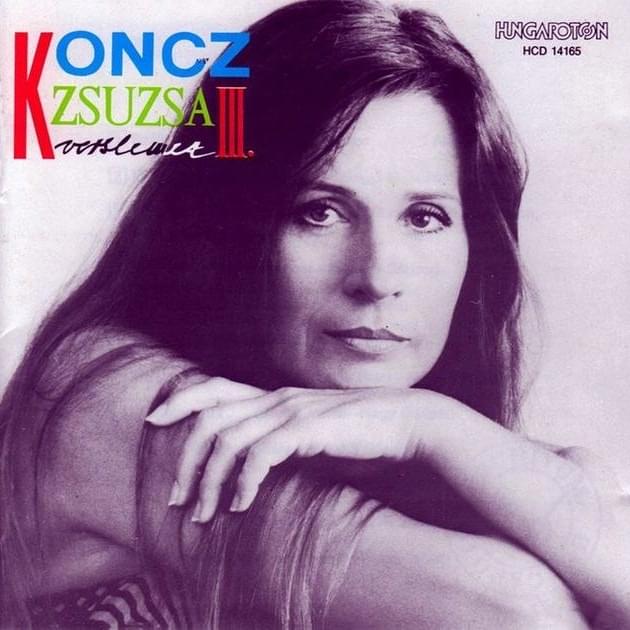
 View Artist