Song Meaning
The lyrics paint a picture of someone grappling with a deep-seated disillusionment, admitting, "Már réges-régen nem hiszem" (I haven't believed for a long time). Yet, a persistent flicker of hope or perhaps just a habit of dreaming keeps them returning to a powerful, recurring fantasy: that the world might somehow turn around for them. This imagined reversal becomes a central theme, a counterpoint to their stated disbelief. The repeated question, "Hogy megfordult velünk a világ?" (That the world turned around for us?), underscores this internal tug-of-war between cynicism and a yearning for change.
The core tension lies in the conflict between knowing something is impossible and the inability to stop imagining it. The narrator acknowledges, "Én álmodom még akkor is / Ha tudom, hogy nem szabad" (I still dream even when I know I shouldn't). This internal struggle is amplified by the idea that a single movement, "Elég egy mozdulat" (One movement is enough), can break free "A visszafojtott indulat" (The suppressed impulse). It suggests a powerful, pent-up energy waiting for a catalyst, even if that catalyst is purely imagined.
The most striking aspect of the writing is the persistent, almost defiant return to the central fantasy. Despite the initial statement of disbelief and the acknowledgment of impossibility, the narrator repeatedly circles back to the idea of the world turning around. The refrain poses a direct question, "Hát mondd, mit remélsz / Ha megfordulna még a világ" (So tell me, what do you hope for / If the world were to turn around again?), directly challenging the listener, or perhaps themselves, to articulate the desires that fuel this persistent dream.
Ultimately, these lyrics resonate because they capture a universal human experience: the quiet, persistent hope that things could be different, even when logic dictates otherwise. The craft here lies in the stark contrast between the stated disbelief and the vivid, recurring dream, creating a poignant exploration of longing and the power of imagination to offer solace, however fleeting. The repeated imagery of the world turning and impulses breaking free speaks to a deep desire for a fundamental shift, a release from present circumstances.
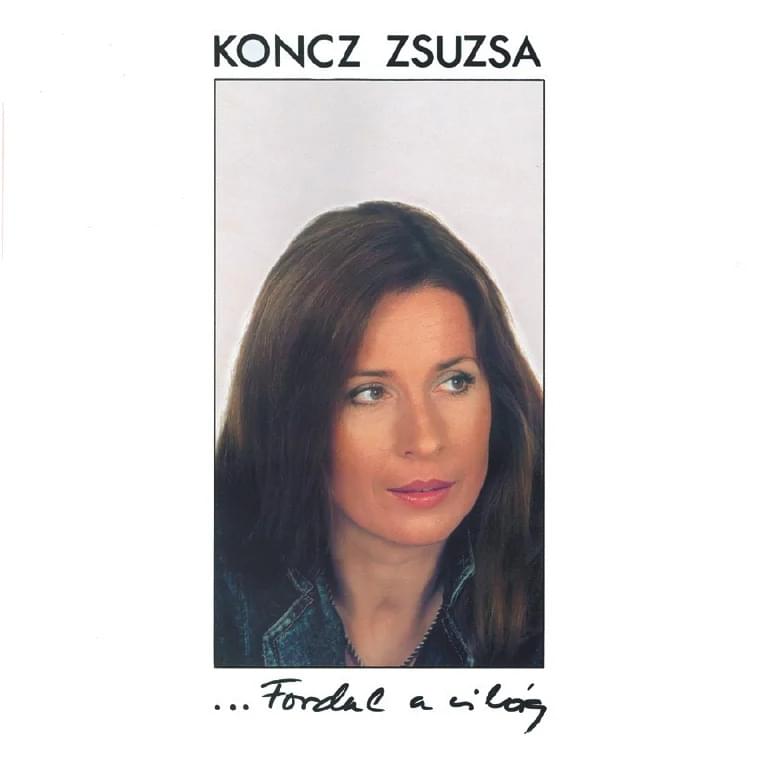
 View Artist