Song Meaning
The lyrics open with a direct plea for divine favor, asking for luck, love, and sustenance. The narrator requests "gabonát" (grain) for an empty "vékám" (a type of sack or bag) and a "parolát" (a lantern or torch) for their "árva kezembe" (orphan hand). This immediately establishes a tone of profound need and vulnerability, painting a picture of someone facing hardship and seeking basic necessities.
The central tension arises from the narrator's deep-seated shame regarding their need to ask for help, even from God. They express that "Nekem a kérés nagy szégyen" (Asking is a great shame for me), yet they continue to petition for fundamental things like light for their lamp so they don't have to go to bed early, and answers to their questions to maintain their faith. This internal conflict highlights a struggle between acknowledging dependence and a desire for self-sufficiency or inherent worth.
The most striking aspect is the narrator's evolving relationship with their requests. While initially asking for specific things like grain and light, the final verse shifts to a more abstract plea: "Adjon az Isten fényeket / Temetők helyett életet" (May God give lights / Life instead of cemeteries). The ultimate desire is for life and light, a stark contrast to the potential darkness and death implied by "temetők" (cemeteries). This culminates in the powerful line, "Adjon úgy is, ha nem kérem" (May He give even if I don't ask), revealing a yearning for grace that transcends the shame of asking.
This lyrical craft is effective because it grounds abstract spiritual needs in concrete, relatable images of hunger, darkness, and doubt. The progression from asking for grain to asking for life itself, coupled with the expressed shame, creates a poignant portrait of human vulnerability and the complex desire for divine intervention. The repetition of "Adjon az Isten" (May God give) acts as a mantra, reinforcing the persistent hope despite the narrator's internal struggle.
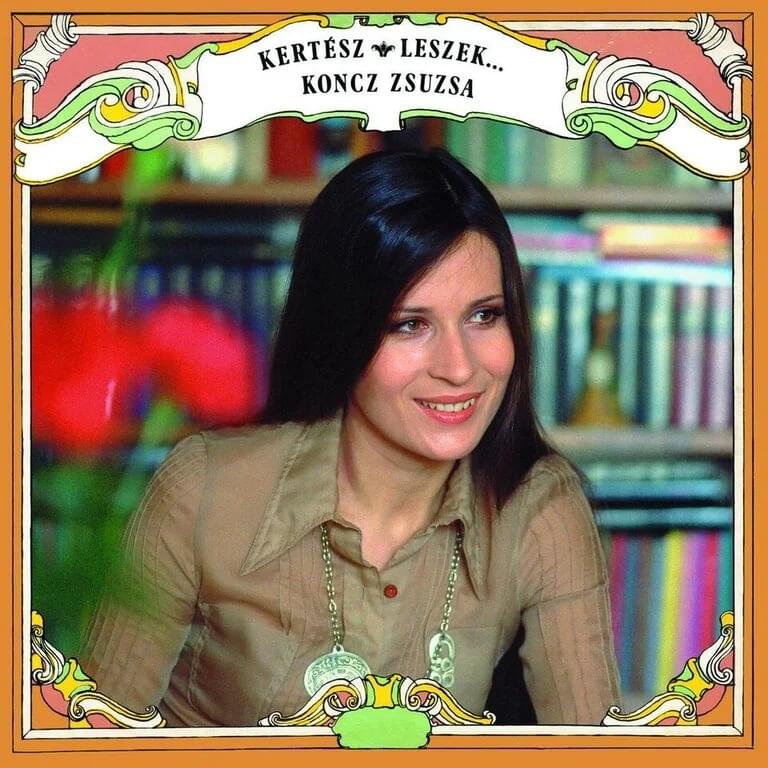
 View Artist