Song Meaning
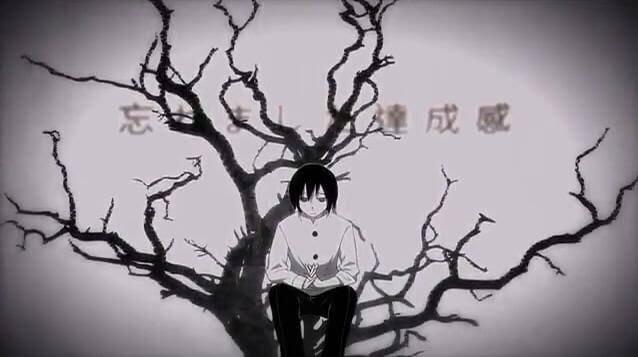
This track paints a picture of intense self-isolation and a defiant, almost stubborn, adherence to one's own path, even when that path feels lonely. The narrator walks a "beautified road" holding hands with a "boy from the past," suggesting a retreat into nostalgia or an idealized version of self. This contrasts sharply with the fleeting nature of others' relationships and interests, highlighting a perceived stability in the narrator's own unwavering focus. The repeated assertion "My life is correct" and the proud declaration "I'm devoted, aren't I great?" underscore a deep-seated need for validation, even if it's self-generated.
The core tension arises from the narrator's simultaneous embrace of past selves and rejection of personal change, while observing the world shift around them. They claim to have "forgotten the sense of accomplishment" and "lost romantic feelings," relying solely on their past self. This creates a paradox: they are devoted and unchanging, yet feel like they are the only one changing because everyone else moves on. This internal conflict fuels a sense of loneliness, explicitly stated as "This life is lonely," yet they maintain a peculiar satisfaction with their past self.
A striking lyrical device is the recurring imagery of singing "songs" of different colors emanating from specific body parts. Red songs from the left wrist, blue songs from the eyes, and black songs from the throat, each associated with different emotional outpourings – tears falling as the planet, sharp words, or a desperate cry. This visceral, almost physical manifestation of internal states suggests a profound disconnect between the narrator's inner world and external reality, where even their "true tears" fall as the planet and their "true words" become sharp.
The effectiveness of these lyrics lies in their raw portrayal of stubborn individuality clashing with profound loneliness. The narrator’s insistence on their own correctness, despite admitting to loneliness and a loss of emotional capacity, creates a complex, almost tragic, character. The vivid, color-coded songs and the image of tears falling as the planet elevate the personal struggle to a cosmic scale, making the narrator's internal pain feel both intensely specific and overwhelmingly vast.