Song Meaning
The lyrics paint a stark picture of societal manipulation, contrasting intimate gestures like "besos a los niños" with the cold transactions of power. There's a sense of disillusionment as the narrator observes people "mendigando a gritos una muerte lenta," seemingly trapped by promises of a "nueva era" peddled by unseen "profetas." This sets up a feeling of being deceived by forces operating with duplicity.
The central tension arises from the narrator's profound sense of personal failure and betrayal. The repeated, almost bewildered questions – "Cómo no les vi venir. Cómo yo, que tanto sé / Cómo otra vez aquí. Cómo me la han vuelto a meter" – reveal a deep frustration. The narrator, who claims to possess knowledge, is blindsided, suggesting a sophisticated level of deception that bypasses even their own awareness.
The most striking craft element is the sharp, cynical imagery of the unseen puppeteer. The description of someone moving "los hilos con la mano / Derecha, mientras con la izquierda se abrocha la / Bragueta" is a powerful metaphor for hypocrisy and hidden agendas. This duality highlights a corrupt system where public pronouncements mask private, self-serving actions, making the betrayal feel both calculated and deeply personal.
Ultimately, the effectiveness of these lyrics lies in their raw, confessional tone and the vivid portrayal of societal blindness. The narrator's self-recrimination, coupled with the biting critique of those in power, creates a potent emotional resonance. It's the feeling of waking up to a reality you thought you understood, only to realize you've been played, that makes this passage hit so hard.
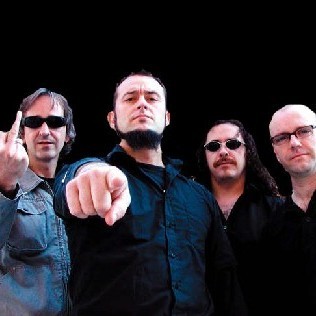
 View Artist