Song Meaning
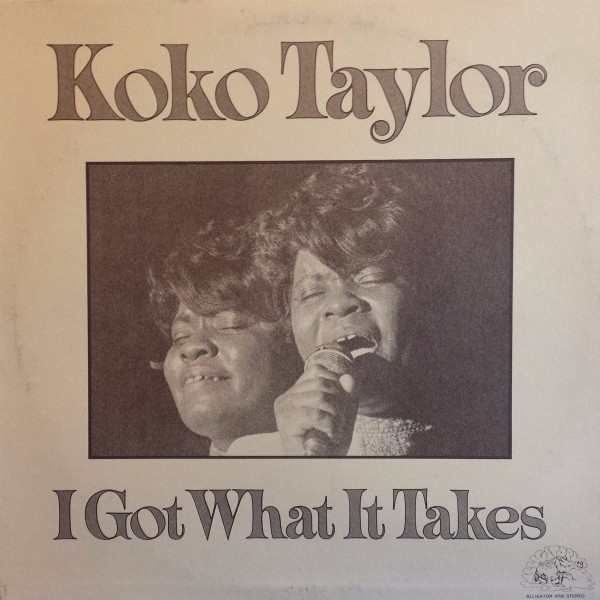
Koko Taylor's "Blues Never Die" isn't just a song; it's a defiant, life-affirming manifesto. Forget intellectualized dissections of minor chords and lyrical misery; Taylor delivers a gut-level truth about the blues as a constant, almost sentient, companion. The song meaning resides not in lament but in resilience. It's a bold declaration that the blues, born from the "lowlands" and the crucible of rural hardship, is an intrinsic part of her identity and the collective Black experience. This isn't some academic exercise in tracing roots; it's a visceral connection to heritage. The repetition emphasizes a refusal to let that heritage fade. It's a primal scream against cultural erasure.
The core of the song's power lies in the blues' unwavering loyalty, personified as a "girl's best friend" in times of trouble. This isn't a passive shoulder to cry on; it's an active force, a non-judgmental ally that accepts you regardless of your past or future. There’s profound psychological weight in this idea of unconditional acceptance. In a world quick to condemn, the blues offer solace without demanding explanation. It's a powerful antidote to the alienation and societal pressures that grind people down. The lyrics, stripped bare of pretense, tap into a deep well of human need for understanding and belonging.
Taylor's repeated assertion that "blues don't mean no harm" is crucial. It reframes the narrative around the blues, moving it away from simple sadness and toward something more complex: a source of strength, a tool for survival, and a connection to something larger than oneself. The guitar solo isn't just instrumental filler; it's a raw, emotional outpouring, an extension of the vocal performance that speaks volumes without words. Ultimately, “Blues Never Die” is a celebration of cultural endurance and the unwavering power of music to heal and connect. It’s Koko Taylor staking her claim, and ours, to a legacy that refuses to be silenced.
 View Artist