Song Meaning
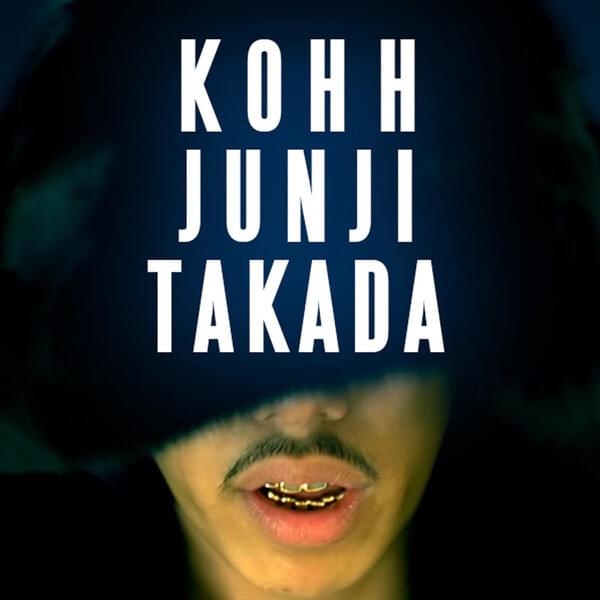
The lyrics paint a picture of Junji Takada as a man who lives by his own rules, unbothered by external judgment. He's described as an "適当な男" (tekito na otoko), which translates to a casual, easygoing, or even irresponsible man, prioritizing immediate desires like "女と洋服と金" (onna to yōfuku to kane) – women, clothes, and money. This persona is reinforced by the repeated phrase "他人は気にしない生き方" (tanin wa ki ni shinai ikikata), emphasizing a lifestyle free from societal pressures and opinions. The "Flyboy 自由気まま" (Flyboy jiyū kimama) descriptor further solidifies this image of carefree independence.
Beneath the surface of this seemingly simple existence, there's a subtle exploration of self-awareness and honesty. While initially presenting as someone who "何も考えてないただの馬鹿" (nani mo kangaetenai tada no baka) – just a fool who thinks nothing – the lyrics later reveal a confession: "わからない 実は知ったかぶり してごめんなさい" (wakaranai jitsu wa shittakaburi shite gomen nasai), meaning "I don't understand, I was pretending to know, sorry." This admission suggests that the carefree facade might be a conscious choice, or perhaps a defense mechanism, leading to the realization that "正直な方が気楽でいいから" (shōjiki na hō ga kiraku de ii kara) – being honest is easier and better.
The recurring cycle of waking, sleeping, eating, and enjoying life – "夜はお休み 起きたら朝" (yoru wa oyasumi okitara asa) and "疲れておやすみ 起きたら朝" (tsukarete oyasumi okitara asa) – highlights a rhythm of simple pleasures and immediate gratification. The imagery of tattoos, past romantic encounters, and a desire to learn a dance like "Teach me how to dougie" adds a layer of youthful, perhaps impulsive, experience. Yet, the core message seems to shift towards finding contentment in basic well-being: "綺麗な心 健康な体" (kirei na kokoro kenkō na karada) – a pure heart and a healthy body – are presented as the ultimate essentials for a good life.
Ultimately, the song's effectiveness lies in its unpretentious portrayal of a life lived on one's own terms, coupled with a surprising moment of vulnerability. It challenges the listener to consider whether a life focused on simple joys and honesty, free from the burden of overthinking or caring what others think, is not only liberating but also profoundly meaningful. The repeated name "Junji Takada" becomes an anthem for this particular brand of unbothered existence, a declaration of living life "just because" and finding peace in that simplicity.
 View Artist