Song Meaning
The lyrics open with a playful, almost childlike vocalization, "Ah bibib oh bobo!" that quickly establishes a sense of innocent exuberance. This is immediately followed by phrases like "A yubila mwana bobo" and "A bakidi bana bobo," which suggest a celebration or acknowledgement of children and their joy. The repetition of "bobo" creates a rhythmic, chant-like quality, drawing the listener into this world of simple, uninhibited expression.
The core of the lyrical expression seems to revolve around a declaration of being a "champino du monde" – a champion of the world. This grand title is juxtaposed with the seemingly simple, almost nonsensical sounds and phrases preceding it. The lyrics then shift to more percussive sounds, "A bula tambour," and vocalizations like "Belo belo belo o ye," which build a sense of anticipation and energy, like a drumbeat leading up to a significant moment.
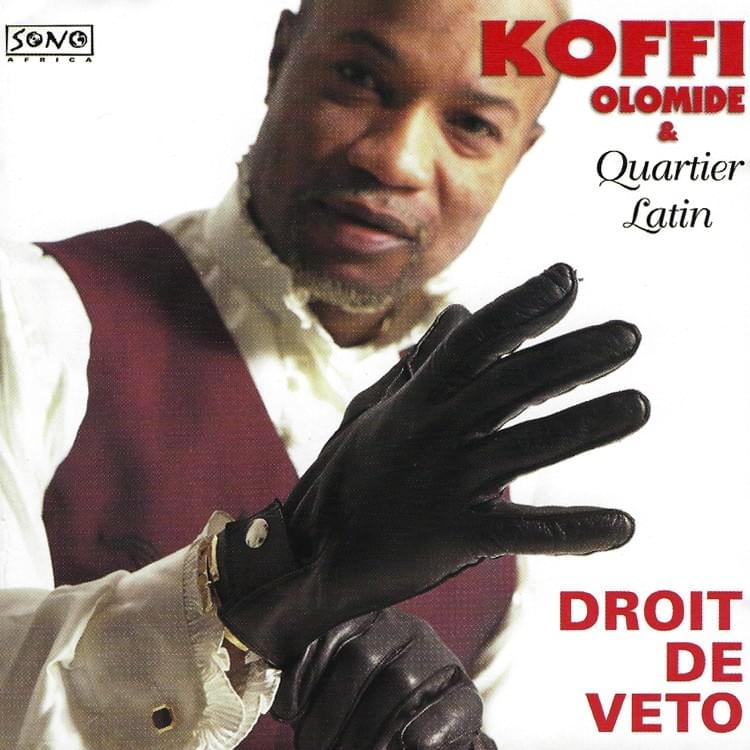
The most striking element is the sudden introduction of "Kotcho kotchoko droit de veto." This phrase, meaning "right of veto" in French, injects a surprising element of authority or decisive power into the otherwise free-flowing, celebratory sounds. It suggests that amidst the joy and the declaration of being a champion, there's an underlying power to stop or approve, a definitive say. The final "Swa ye elombe" echoes the earlier "elembo," perhaps reinforcing a mark or sign associated with this power.
This lyrical construction is effective because it blends pure, unadulterated joy with an unexpected assertion of control. The contrast between the childlike "bobo" and the authoritative "droit de veto" creates a unique tension. It hints that even in moments of pure celebration or self-proclamation, there exists a decisive force, a final word that shapes the experience, making the declaration of being a "champion" feel both triumphant and grounded in a specific, powerful stance.
 View Artist