Song Meaning
The lyrics paint a picture of a relationship stuck in a cycle of breaking up and getting back together, with the narrator grappling with the inability to fully let go. The opening lines immediately establish this pattern: "We've broken it off again; We put it all to an end." Yet, the immediate follow-up, "Will I be with you again?" reveals the core tension – a persistent hope or perhaps an addiction to the connection, despite the repeated endings. This creates a sense of emotional whiplash, where finality is declared only to be immediately questioned.
The central conflict arises from the narrator's sudden realization of what they've been overlooking. The line "Funny to see how we doubt / The things we can't live without" is a stark admission of self-deception or perhaps fear of vulnerability. The narrator acknowledges their own role in the struggle, admitting, "I make this hard," but then pivots to a plea for reconciliation, driven by a newfound appreciation: "You have been more than a friend." This shift from self-blame to a desperate desire to mend things forms the emotional backbone of the track.
The repeated refrain, "All of this time / I've been so lost / And you stayed with me," acts as an anchor, emphasizing the partner's constancy against the narrator's internal turmoil. This repetition underscores the depth of their dependence and the narrator's regret for not recognizing it sooner. The plea "Please take me back / Because I want to make you happy" isn't just about personal desire; it's framed as a need to reciprocate the partner's loyalty and to finally achieve a state of emotional stability, suggesting the partner has been a grounding force throughout their "lost" periods.
Ultimately, the effectiveness of these lyrics lies in their raw, almost unvarnished portrayal of relationship indecision and regret. The narrator's journey from denial and confusion to a desperate, albeit late, acknowledgment of value is compelling. The simple, direct language, particularly in the repeated pleas and admissions, bypasses complex metaphor to hit directly at the heart of emotional dependency and the fear of losing someone essential. The final "Please don't say no, I can't let go" encapsulates the desperate, cyclical nature of their connection.
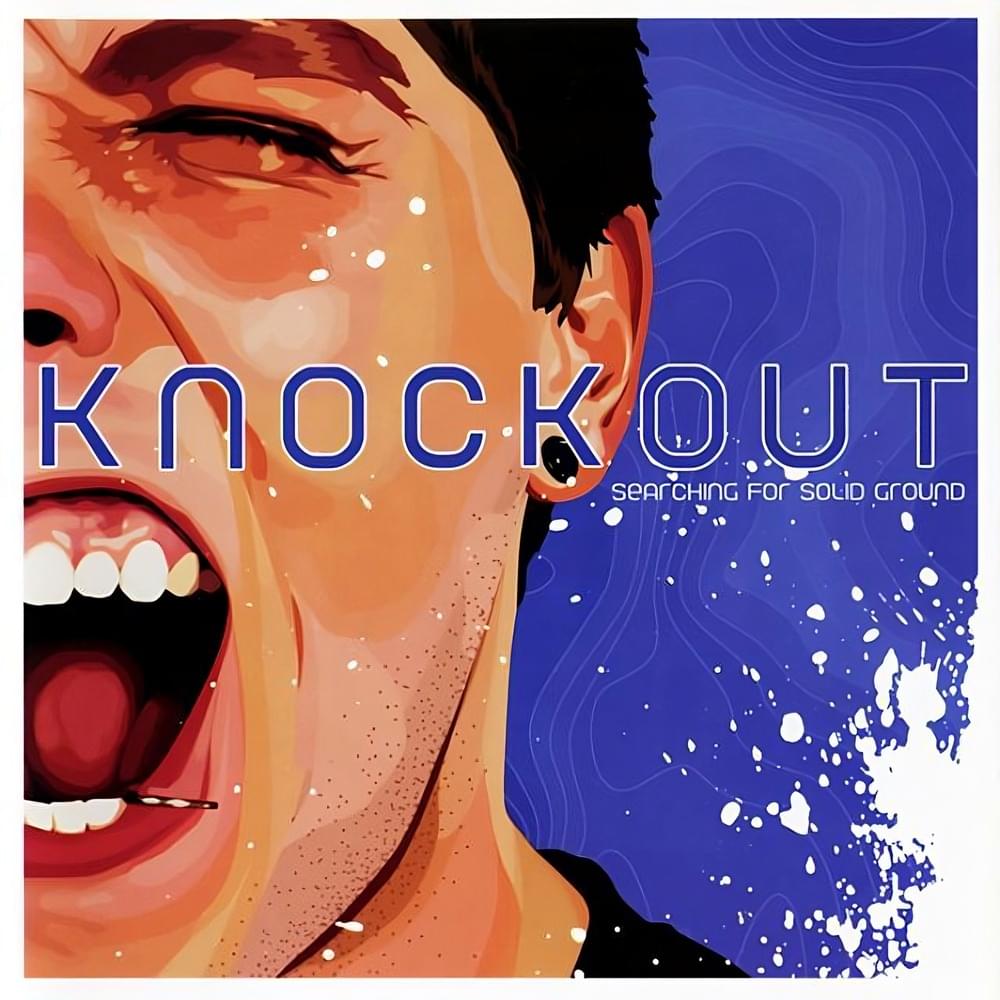
 View Artist